
Cooler weather brings a useful chance to refresh your hair routine without making every morning complicated. Fall hairstyles can range from softly layered cuts to practical braids, polished ponytails, and quick updos that suit different textures and routines. Seasonal hair ideas also work well when they balance shape, comfort, and manageable styling rather than chasing every trend. Fresh fall hair trends can add movement, frame the face, or simplify busy mornings. Texture, maintenance, and personal preference matter most when deciding which look deserves a place in your regular rotation.
- 1. Soft Butterfly Layers
- 2. Long Layered Cut
- 3. Flippy Layers
- 4. Face-Framing Layers
- 5. Curtain Bangs
- 6. Full Fringe with Long Layers
- 7. Soft Swoopy Layers
- 8. U-Shaped Layered Cut
- 9. French Bob
- 10. Bell Bottom Bob
- 11. Bixie Cut
- 12. Shaggy Curly Cut
- 13. Bouncy Blowout
- 14. Soft Romantic Waves
- 15. Hollywood Waves
- 16. Wavy Ponytail
- 17. Sleek Low Ponytail
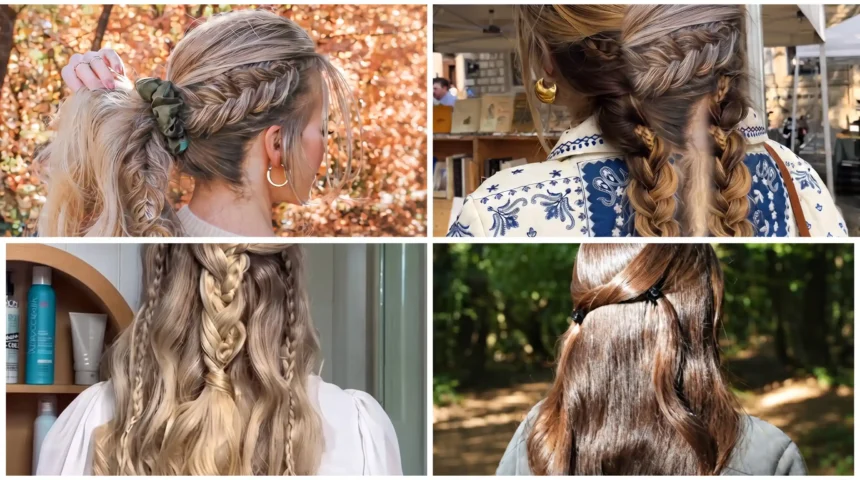
- 18. Braided Ponytail
- 19. Bubble Ponytail
- 20. Sleek Low Bun
- 21. Messy Textured Bun
- 22. French Twist
- 23. Half-Up Ribbon Hairstyle
- 24. Half-Up Claw Clip Twist
- 25. Dutch Braid
- 26. Fishtail Braid
- 27. Side Waterfall Braid
- Conclusion
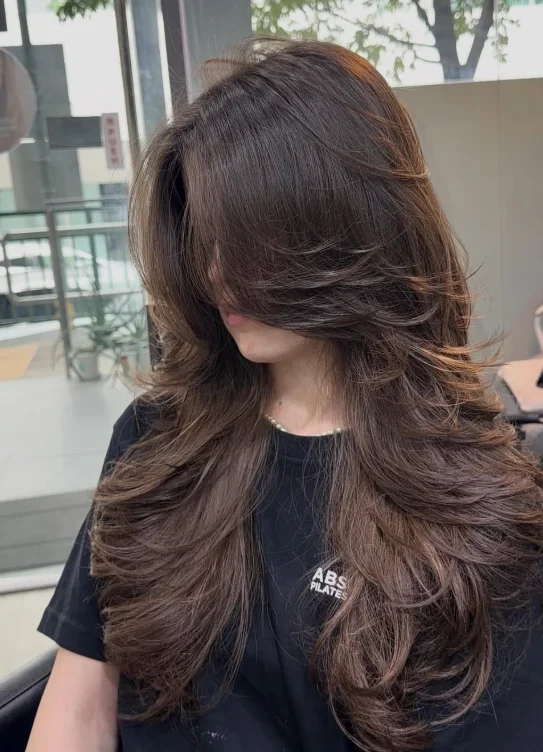
1. Soft Butterfly Layers
Soft butterfly layers create a flowing, feathered shape with shorter pieces sweeping around the face and longer layers continuing through the ends. Rounded sections give the haircut a lifted appearance without creating harsh breaks between each layer. Face-framing strands curve outward gently, creating the airy effect associated with butterfly cuts. Longer sections blend into the shorter pieces, giving the overall hairstyle a balanced shape with visible separation and soft, graceful movement.
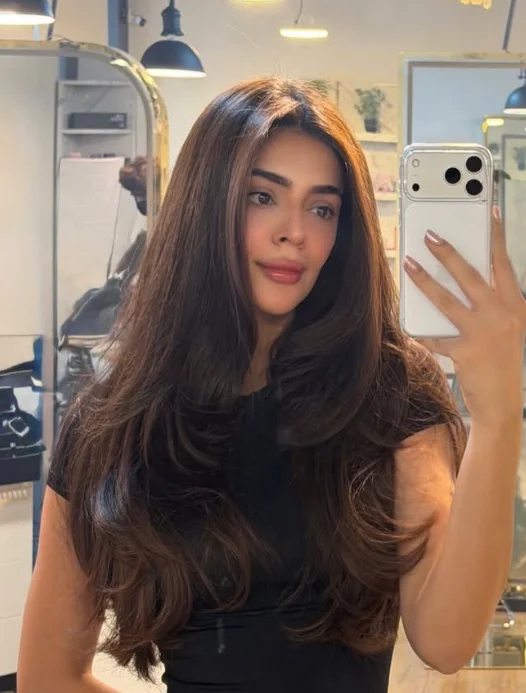
2. Long Layered Cut
Long layered cuts create dimension by placing gradual layers throughout otherwise flowing hair. Shorter sections near the front blend into longer pieces, creating a continuous shape instead of obvious steps. Layered ends add separation while preserving the overall fullness of the hairstyle. Subtle bends can make each section more noticeable, while straight strands reveal the clean progression between layers. The finished look feels polished, fluid, and naturally dimensional without appearing heavily chopped.
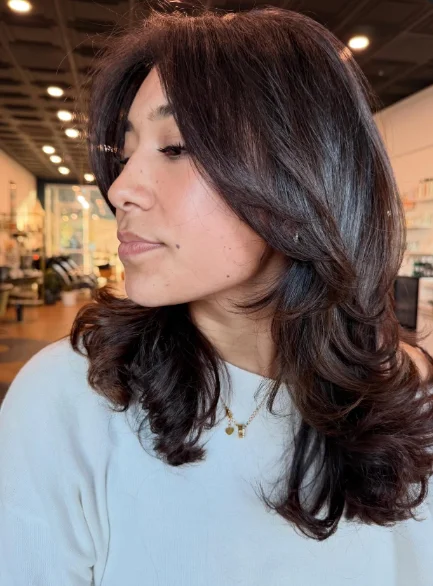
3. Flippy Layers
Flippy layers are defined by ends that curve outward rather than falling straight down. Several visible layers create staggered sections, with the shortest pieces directing attention toward the upper part of the hairstyle. Outward-turned ends give the silhouette a playful, lifted quality that separates it from softer layered cuts. Each flipped section creates a distinct edge while remaining connected to the surrounding layers, producing a lively shape with noticeable movement throughout the hairstyle.
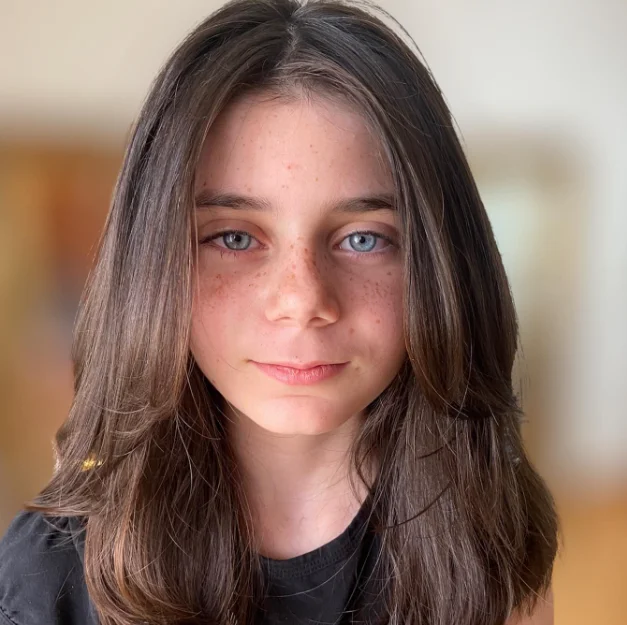
4. Face-Framing Layers
Face-framing layers place shorter strands around the front while gradually connecting them to longer sections behind. Curved pieces follow the sides of the face, creating a visible frame without forming a heavy fringe across the forehead. Different layer lengths give the front of the hairstyle a sculpted appearance, while the remaining hair flows naturally behind it. Softly separated ends keep the framing pieces distinct, making the face the central visual focus of the haircut.
5. Curtain Bangs
Curtain bangs form a parted fringe that opens from the center and falls softly toward both sides of the face. Shorter hair appears near the middle, while the outer sections gradually become longer and blend into the surrounding layers. Their curved shape creates an open frame rather than a solid line across the forehead. The parted structure gives the hairstyle a relaxed appearance, while the sweeping ends add a distinctly soft and recognizable fringe shape.
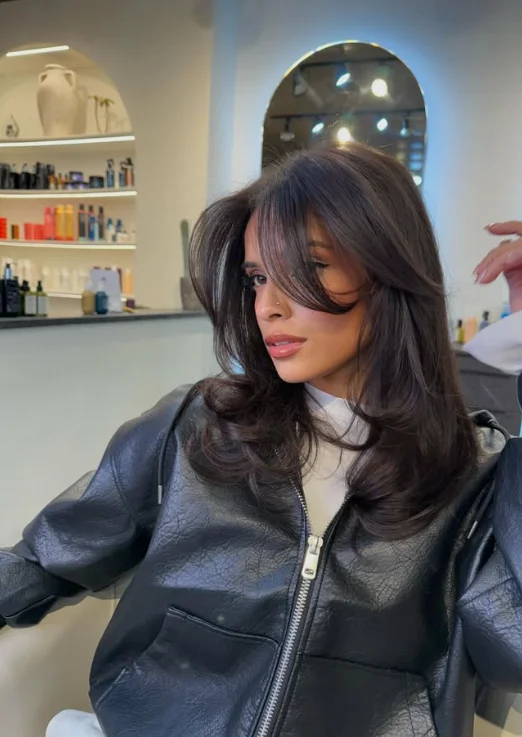
6. Full Fringe with Long Layers
Full fringe with long layers combines a dense, defined front section with flowing layers through the rest of the hairstyle. The fringe creates a strong horizontal focal point across the forehead, while longer sections soften the transition around the sides. Layered lengths prevent the lower portion from appearing completely uniform. Together, the structured bangs and cascading sections create contrast between the bold front and the more fluid shape continuing through the rest of the hair.
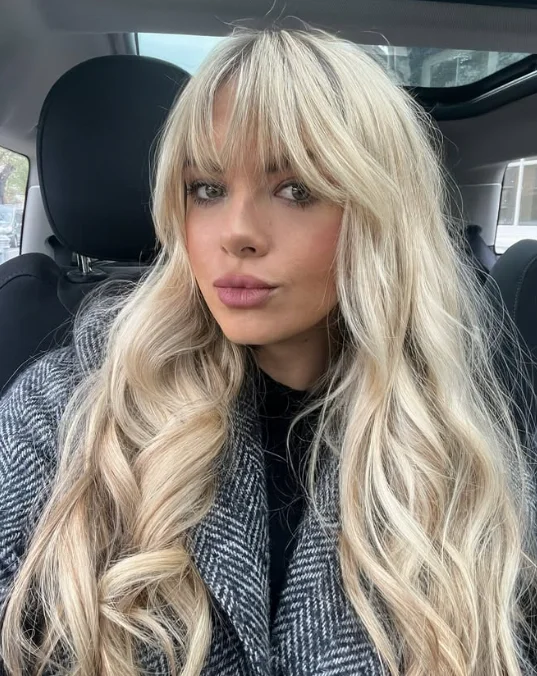
7. Soft Swoopy Layers
Soft swoopy layers are recognizable by sweeping sections that curve gently across the front and blend into longer layers. Rather than creating sharp separations, each section follows a smooth direction that gives the hairstyle a continuous appearance. A deeper side movement can make the upper layers appear fuller and more pronounced. Curved ends add softness to the silhouette, while overlapping sections create the loose, flowing effect that defines this particular layered hairstyle.
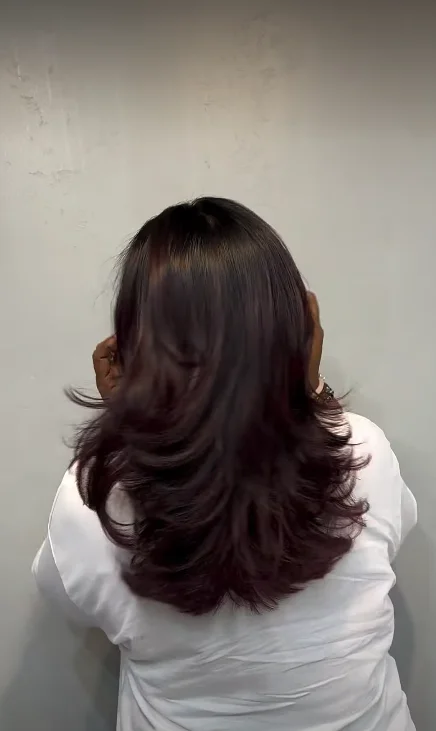
8. U-Shaped Layered Cut
U-shaped layered cuts form a rounded outline across the back, with the center appearing slightly longer than the sides. Gradual layers follow this curved structure instead of creating a straight horizontal edge. The shape creates a smooth visual transition from the shorter outer sections toward the fuller center. Subtle layering through the ends adds dimension without disturbing the rounded outline, giving the hairstyle a balanced silhouette that looks noticeably different from a straight-across cut.
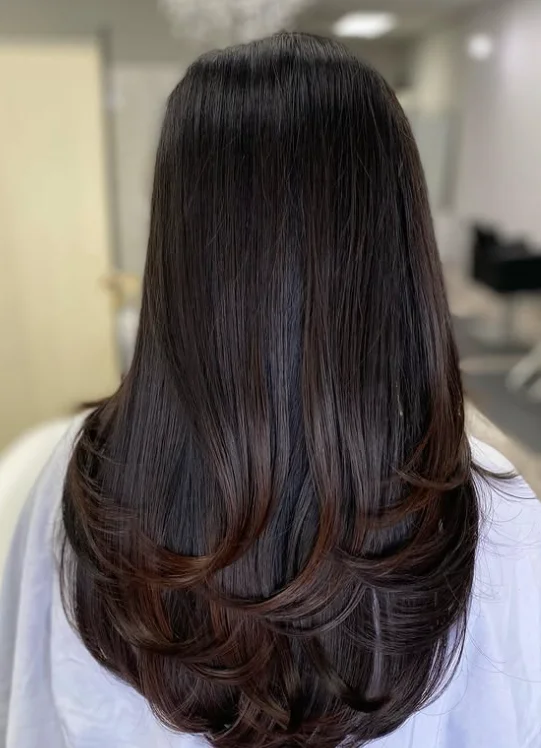
9. French Bob
French bob features a compact shape with ends that sit close around the jaw, creating a defined yet relaxed silhouette. Its slightly rounded outline gives the haircut a soft edge instead of the severe appearance of an extremely blunt bob. Subtle texture through the ends can make the style look effortless, while a cleaner finish emphasizes its classic character. Shorter pieces around the front keep attention near the face and give the haircut its unmistakable Parisian-inspired appearance.
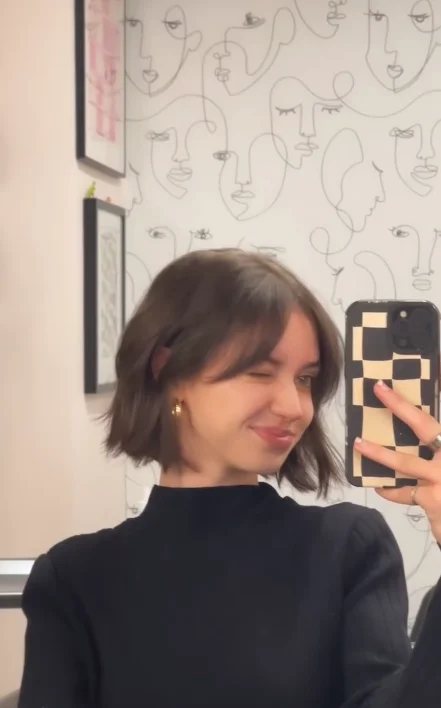
10. Bell Bottom Bob
Bell bottom bob creates a distinctive shape by narrowing near the upper section before widening toward the ends. The lower portion curves outward, producing a flared silhouette that resembles the shape associated with bell-bottom clothing. Ends remain visibly fuller than the area above them, giving the haircut its defining visual contrast. Smoothly connected sections prevent the flare from looking disconnected, while the rounded perimeter creates a playful, structured appearance with noticeable width around the lower edge.
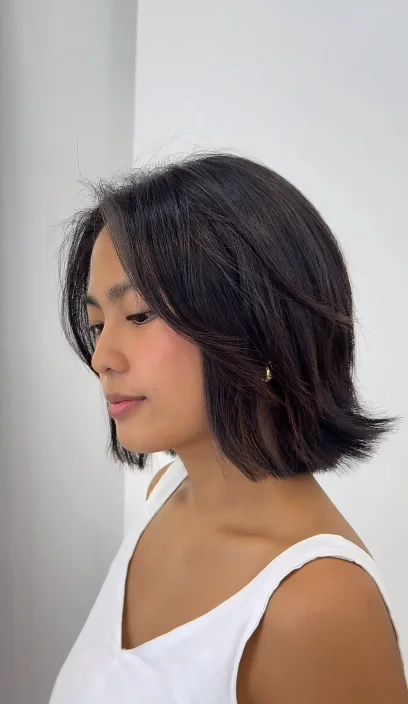
11. Bixie Cut
Bixie cuts combine a short, layered silhouette with the rounded structure associated with a bob. Pieces around the crown and sides create visible separation, while tapered sections keep the overall shape compact. Shorter strands can appear feathered around the ears and nape, giving the haircut a light, textured outline. Longer pieces near the front preserve some of the softness of a bob, creating an in-between appearance that feels fuller than a traditional pixie.
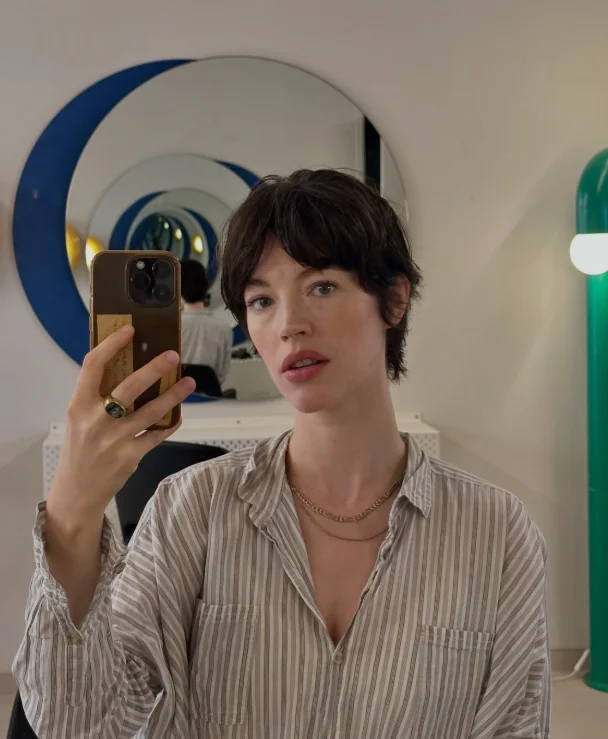
12. Shaggy Curly Cut
Shaggy curly cuts use uneven, graduated layers to create space between individual curls and prevent the overall shape from looking too dense. Shorter sections appear around the crown and upper sides, while curls form progressively longer layers below. The varied lengths give the hairstyle a deliberately tousled silhouette rather than a uniform outline. Defined curls remain visible throughout the layers, creating a textured appearance where individual coils contribute to the overall shape and dimension.
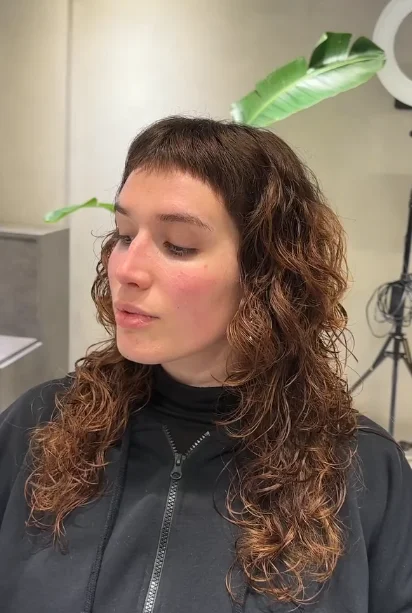
13. Bouncy Blowout
Bouncy blowouts are defined by noticeable lift at the roots, rounded volume through the middle sections, and curved ends that sweep away from the face. Hair appears fuller because each section follows a smooth, rounded contour rather than hanging flat. The crown usually carries visible height, while the sides curve outward before settling into soft ends. Together, these elements create a polished, voluminous silhouette with a distinctly lifted and glamorous appearance.
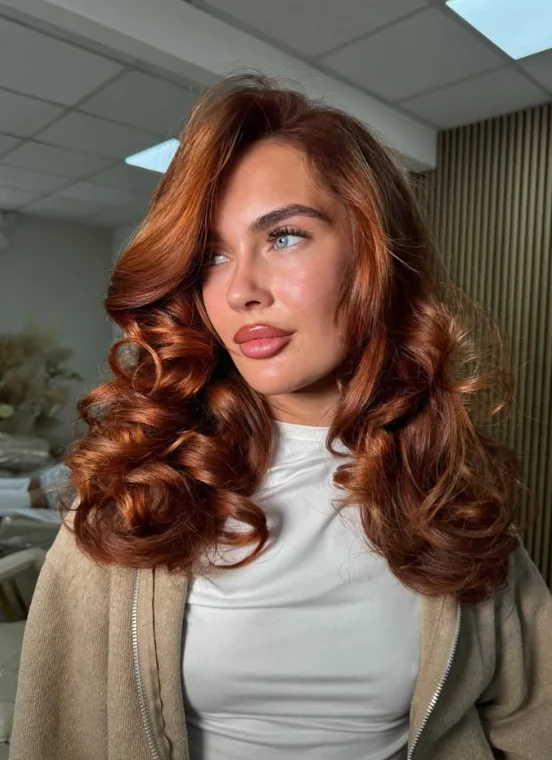
14. Soft Romantic Waves
Soft romantic waves create loose, flowing bends that move continuously from one section into another. Unlike defined ringlets, the waves remain broad and relaxed, with gentle curves rather than tight spirals. Sections around the face often sweep softly away, creating an open appearance through the front. Slightly separated ends prevent the hairstyle from looking overly uniform, while the repeated wave pattern gives the overall look a graceful, fluid quality without sharp transitions.
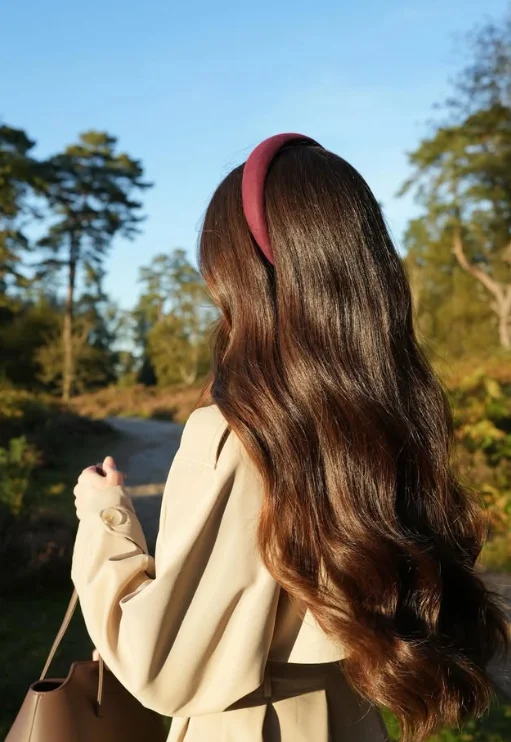
15. Hollywood Waves
Hollywood waves feature carefully aligned, deep waves that form a continuous pattern from the roots through the ends. Each curve follows the next in a smooth S-shaped rhythm, creating the hairstyle’s signature sculpted appearance. Hair near the face usually follows the same direction as the larger wave pattern rather than breaking into separate curls. A sleek surface emphasizes the precise ridges and valleys, giving the finished hairstyle its highly polished, dramatic character.
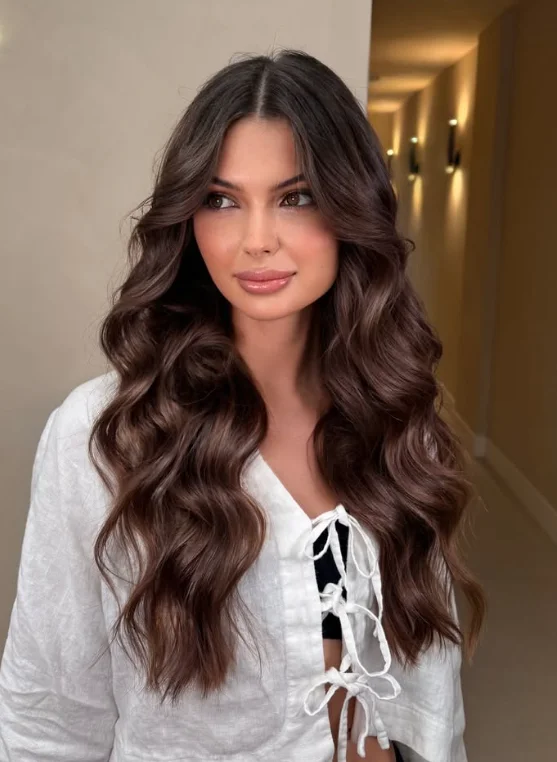
16. Wavy Ponytail
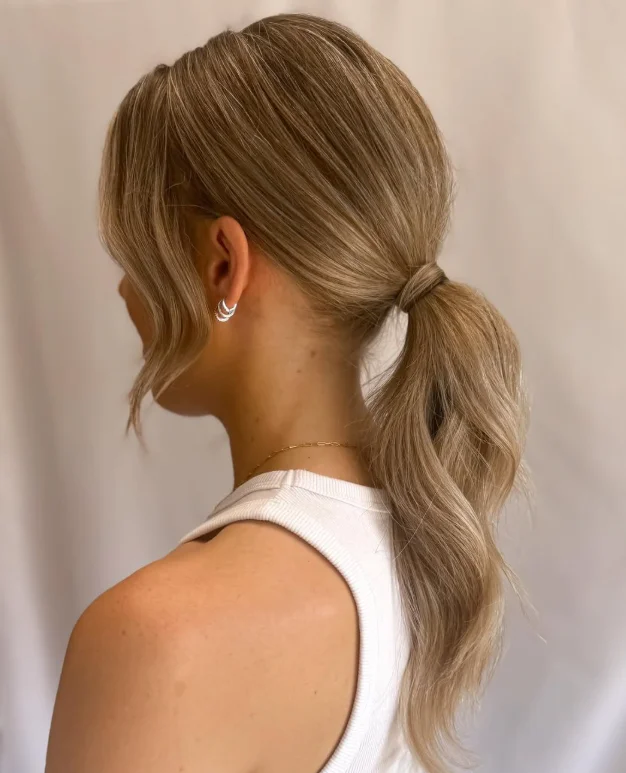
Wavy ponytails combine a gathered base with visible waves flowing through the loose length. The upper portion remains controlled while the ponytail itself retains soft bends instead of hanging completely straight. Waves create alternating curves along the length, giving the tail more visual dimension than a simple straight ponytail. Small loose pieces around the front can soften the transition from the gathered section, while the overall shape remains relaxed and clearly structured.
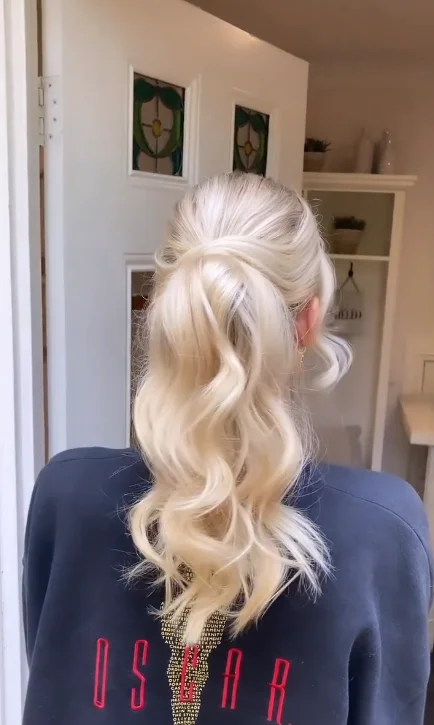
17. Sleek Low Ponytail
Sleek low ponytails create a smooth, close-to-the-head shape that gathers neatly at the nape. The upper sections remain flat and controlled, with minimal separation between individual strands. Hair extends from the low base in one clean direction, creating a long, uninterrupted silhouette. Wrapping a small section around the elastic can conceal the fastening point and make the base appear seamless. The defining feature remains its smooth surface and precise, understated structure.
18. Braided Ponytail
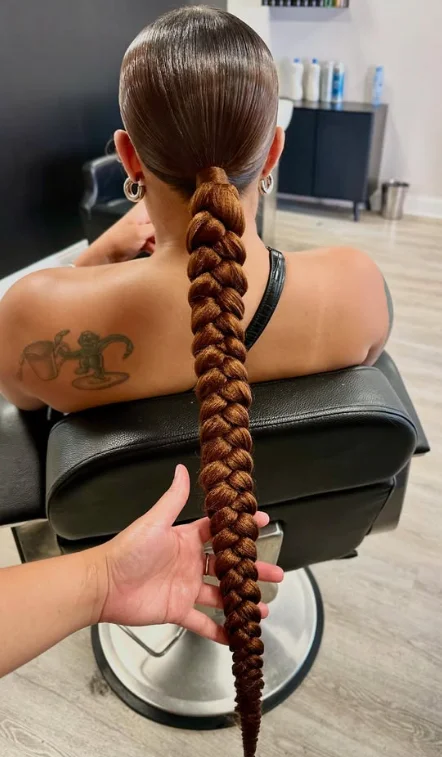
Braided ponytails combine a structured braid with a gathered tail, creating two distinct visual sections within one hairstyle. Braiding can begin near the crown or through the upper portion before transitioning into the loose ponytail. Interwoven strands create visible texture and a raised pattern, while the remaining tail provides contrast through its flowing shape. The combination of detailed braiding and a simple gathered base gives the hairstyle more dimension than an ordinary ponytail.
19. Bubble Ponytail
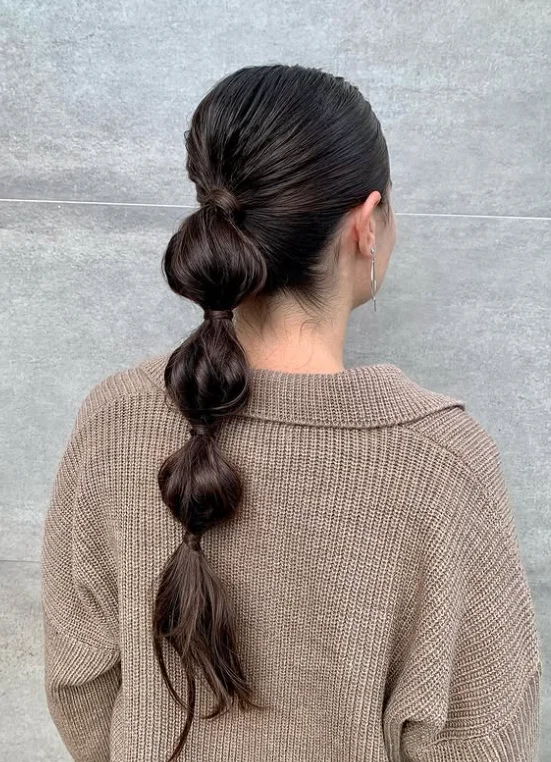
Bubble ponytails create a series of rounded sections along one gathered length, producing a segmented silhouette. Small gaps between the secured sections separate each bubble and make the repeated shape clearly visible. Individual sections can appear fuller and more rounded when the hair is gently expanded between the elastics. Consistent spacing creates a balanced rhythm from the base toward the ends, while the repeated curves give the ponytail its distinctive playful and graphic appearance.
20. Sleek Low Bun
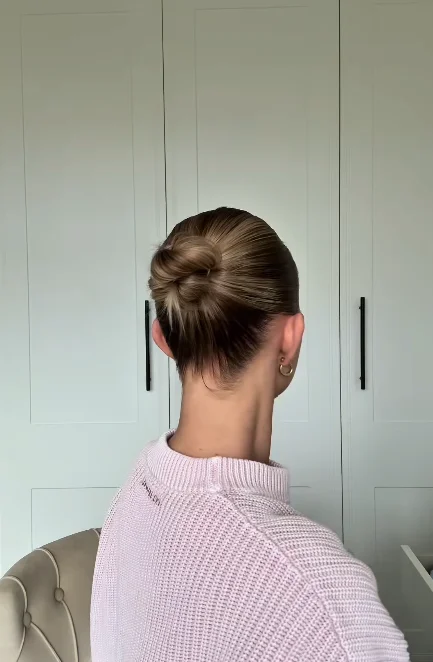
Sleek low buns form a compact shape at the nape with the surrounding hair smoothed closely toward the center. The bun itself usually appears rounded, controlled, and neatly contained rather than loose or textured. Clean lines around the sides emphasize the gathered structure and make the hairstyle look deliberate from every angle. Minimal loose strands keep the silhouette refined, while the low placement creates a balanced profile that differs clearly from higher, fuller bun styles.
21. Messy Textured Bun
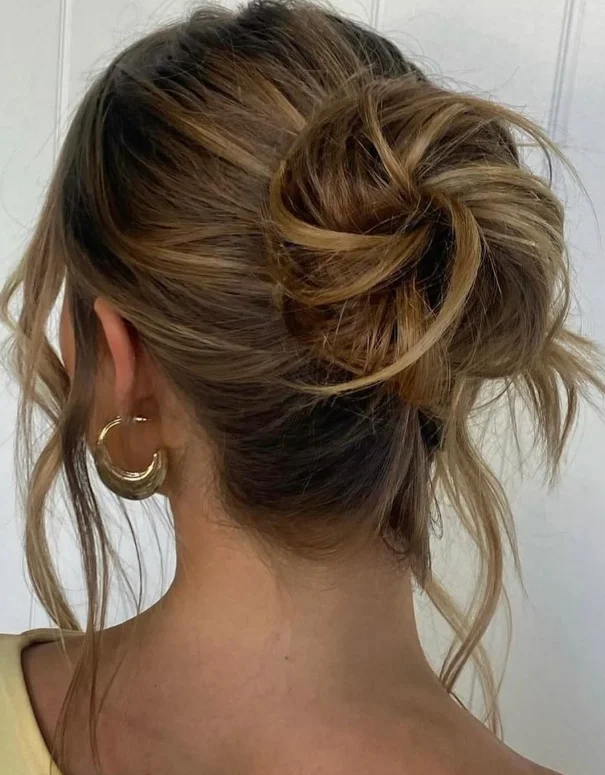
Messy textured buns have an intentionally irregular shape, with overlapping sections creating volume around a loosely gathered center. Strands may extend slightly from the bun rather than forming a perfectly contained outline. Uneven loops and softly separated pieces give the hairstyle its relaxed character without making the shape appear completely unstructured. Texture remains visible across the surface, creating a fuller appearance that contrasts with the smooth, compact silhouette of a sleek bun.
22. French Twist
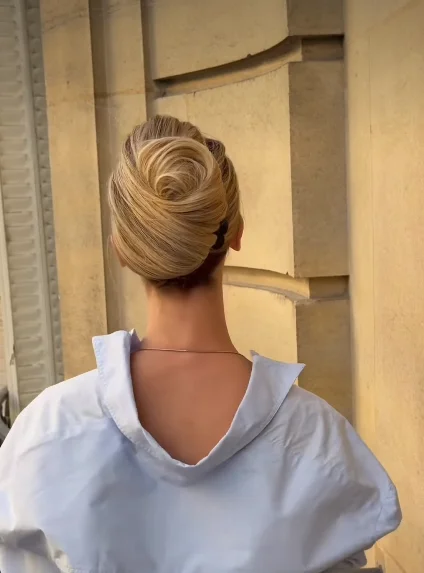
French twists create a vertical, rolled shape along the back of the head, with the hair gathered upward and folded inward. The outer surface appears smooth while the tucked section forms a narrow seam running vertically through the hairstyle. Ends disappear into the interior, leaving a clean exterior silhouette. Its distinctive structure comes from the combination of an elongated roll, controlled sides, and a compact upper section that gives the updo its classic, sculpted appearance.
23. Half-Up Ribbon Hairstyle
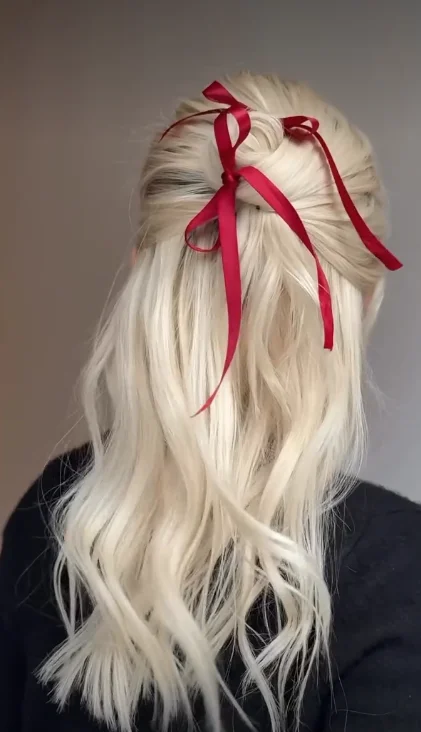
Half-up ribbon hairstyles combine loose hair with a gathered upper section finished by a visible ribbon. The top portion creates a clear focal point, while the remaining hair falls freely around it. Ribbon loops or trailing ends add a decorative shape that contrasts with the natural texture of the surrounding hair. Curved or wavy strands can make the hairstyle appear softer, while straighter sections create a cleaner contrast between the ribbon and the hair.
24. Half-Up Claw Clip Twist
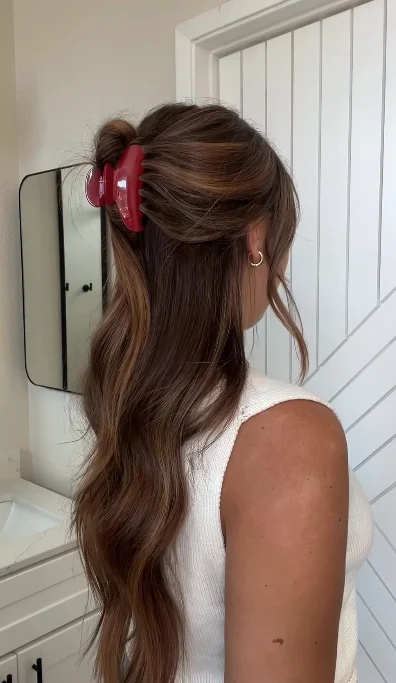
Half-up claw clip twists gather the upper portion of the hair into a compact twist while leaving the lower section loose. Twisted strands create a visible fold at the back, with the claw clip positioned across the gathered section as both a functional and decorative feature. The remaining hair frames the twist from underneath, creating contrast between the controlled upper section and the free-flowing lower portion. Its defining detail is the simple, recognizable twisted shape.
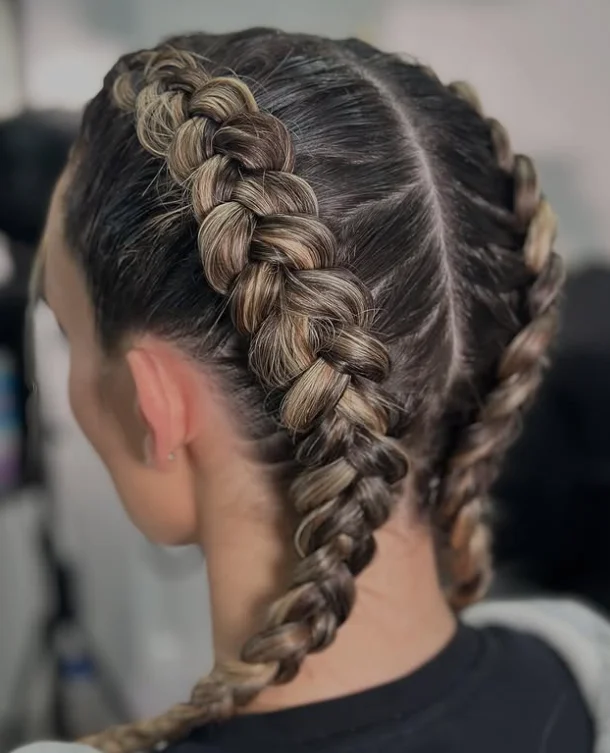
25. Dutch Braid
Dutch braids create a raised pattern because each strand passes underneath the center section rather than over it. The braid sits visibly above the surrounding hair, producing a defined three-dimensional effect along the scalp. Even sections create a symmetrical woven appearance, while the repeated crossing pattern continues consistently through the length. Loosening the outer edges can make the braid appear wider, but its raised structure and clearly separated sections remain its most recognizable visual features.
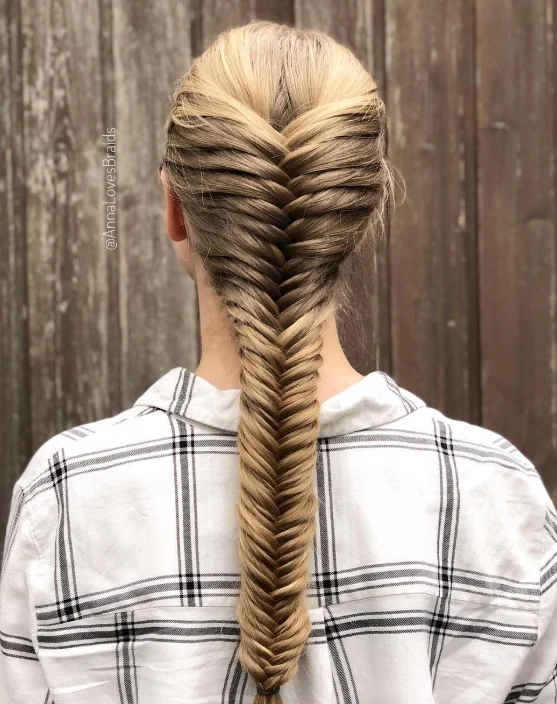
26. Fishtail Braid
Fishtail braids create a narrow, intricate pattern from two main sections instead of the three sections used in a traditional braid. Small pieces cross from one side into the opposite section, producing a repeated V-shaped or herringbone appearance. The pattern becomes more detailed as the individual pieces become smaller. Slightly loosened edges can widen the braid while keeping its woven center visible, giving the hairstyle a softer outline without losing its distinctive structure.
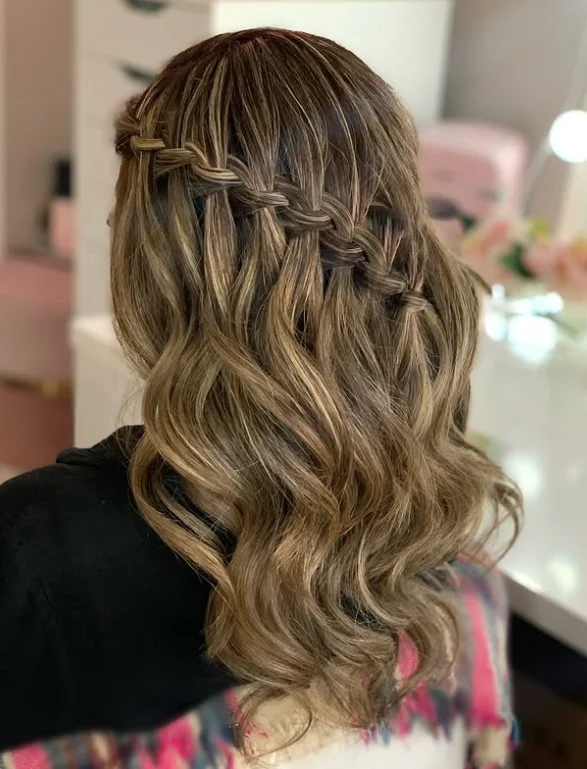
27. Side Waterfall Braid
Side waterfall braids create a horizontal woven section across one side of the head while selected strands fall freely beneath the braid. Dropped pieces interrupt the solid braid line and create the cascading effect that gives this hairstyle its name. The braid usually follows a gentle diagonal path toward the back, creating an asymmetrical appearance. Loose sections remain visible beneath the woven portion, producing a layered visual effect that differs from a fully enclosed traditional braid.
Conclusion
Seasonal hair inspiration works best when it fits real routines instead of demanding constant styling. Autumn hairstyle ideas can add movement, polish, or texture while still leaving room for natural hair patterns and changing schedules. Fall hair looks also become easier to maintain when the cut matches your texture and the styling method stays realistic. A thoughtful haircut or dependable updo can refresh your appearance for weeks, giving you a practical way to enjoy the season without turning every morning into a styling project.