
Wearing a tight dress can feel challenging when you want a smooth, comfortable fit around your stomach. You might love the color, neckline, or overall shape but feel unsure about how the fabric sits across your belly. The good news is that you do not need to give up fitted dresses to feel confident in your outfit. Learning how to hide belly fat in a tight dress starts with choosing the right size, fabric, and dress design for your body. Small styling changes can also make a noticeable difference. From comfortable undergarments to flattering outfit combinations, these practical tips will help you enjoy your favorite dresses without constantly adjusting them.
- Understand Your Body Shape Before Styling a Tight Dress
- Start With the Right Dress Fit, Fabric, and Design
- Choose the Right Undergarments for a Smoother Look
- Outfit Ideas I Recommend for You to Feel More Comfortable in a Tight Dress
- 1. Ruched Bodycon Dress
- 2. Wrap-Style Fitted Dress
- 3. Structured Midi Dress
- 4. Dark Monochrome Dress
- 5. Fitted Dress With an Open Blazer
- 6. Side-Panel or Color-Blocked Dress
- 7. Square-Neck or V-Neck Fitted Dress
- 8. Soft Stretch-Knit Dress
- Use Simple Styling Tricks to Balance Your Silhouette
- Common Mistakes That Make a Tight Dress Less Flattering
- How to Make Your Tight Dress Look Good When Sitting and Moving
- Conclusion
Understand Your Body Shape Before Styling a Tight Dress
Before buying shapewear or changing your outfit, take a moment to understand how your dress fits your body. Everyone carries weight differently, so a styling trick that works for one person may not feel right for another. Your stomach, waist, hips, and bust all influence how a fitted dress looks and feels.
If your lower belly is your main concern, notice whether the dress pulls across the front or gathers around your waistband. You may prefer a design with gentle ruching or a slightly thicker fabric. Women with a fuller midsection might feel more comfortable in a wrap-style dress or a structured knit that follows the body without clinging too tightly.
Consider your waist and hip proportions, too. Some people prefer dresses that define the waist, while others feel better in straight silhouettes. Neither choice is wrong. The goal is to find a shape that feels balanced to you.
Check the dress from the front and side. Notice where the seams sit, whether the fabric stretches comfortably, and whether you can move without pulling at the hem. These details tell you more about the fit than the size label alone.
Remember that a visible stomach outline is completely normal. You are not trying to erase your natural shape. You are choosing clothes that make you feel comfortable, supported, and confident.
Start With the Right Dress Fit, Fabric, and Design
The dress itself can make a bigger difference than any styling trick. A fitted dress should follow your shape without digging into your stomach, pulling at the seams, or restricting movement. When the material stretches too much, it may highlight every crease and create tension across the lower belly.
Start by checking the fabric. Medium-weight jersey, structured stretch knits, and lined materials can offer a smoother appearance than very thin fabrics. Look for enough stretch to sit and walk comfortably, along with sufficient recovery so the dress does not lose its shape. Soft fabric can work beautifully, provided it does not cling in ways you dislike.
Dress construction matters just as much. Ruching gathers fabric into soft folds, helping break up a continuous outline across the stomach. Wrap-style designs create diagonal lines and let you adjust the appearance of the waist. Side panels and strategic seams can also add structure without making the dress feel stiff.
Pay attention to the waistline and hem. A dress that pulls across your belly may be too small, too short in the torso, or unsuitable for your proportions. Trying another size or cut can solve the problem more effectively than adding layers underneath.
You should also consider the dress length. Midi dresses offer more coverage around the thighs, while knee-length styles can work well for many occasions. Neither length automatically hides the stomach. Choose the one that creates the proportions you prefer.
Most importantly, do not assume that sizing down will create a smoother look. A properly fitted dress usually sits better, moves more naturally, and feels much easier to wear throughout the day.
Choose the Right Undergarments for a Smoother Look
Undergarments can affect how a fitted dress sits against your body. The right choice can reduce visible seams, improve comfort, and help the outer fabric fall more smoothly. However, you do not need shapewear to wear a tight dress successfully.
Seamless underwear is a useful starting point. Traditional underwear can create visible lines beneath thin or stretchy materials. Seamless styles have flatter edges that are less noticeable under clothing. Choose a size that stays in place without digging into your skin. Nude shades that closely match your skin tone often work well beneath lighter fabrics.
High-waisted smoothing shorts are another option. They provide coverage from the waist through the upper thighs and can help reduce the appearance of underwear lines. Look for breathable material, a comfortable waistband, and enough stretch to let you sit naturally. The shorts should not roll down or create a tight band across your stomach.
Shaping bodysuits offer a more connected layer beneath a dress. Some styles provide light smoothing around the torso, while others include more structured panels. Check the neckline, leg openings, and fastening before purchasing one. The garment should work with your dress rather than show through it.
Your dress design should guide your decision. A low-back dress may require different coverage from a sleeveless midi dress. Likewise, a short fitted dress may work better with smoothing shorts that do not extend beyond the hem.
Always try your undergarments with the actual dress. Sit down, walk around, and check whether the edges remain hidden. Avoid choosing a smaller size for stronger compression. Excessive tightness can cause discomfort, rolling, and visible bulges around the edges.
The best undergarment is one that feels comfortable for as long as you plan to wear the outfit. If regular underwear already gives you the finish you want, there is no reason to add another layer.
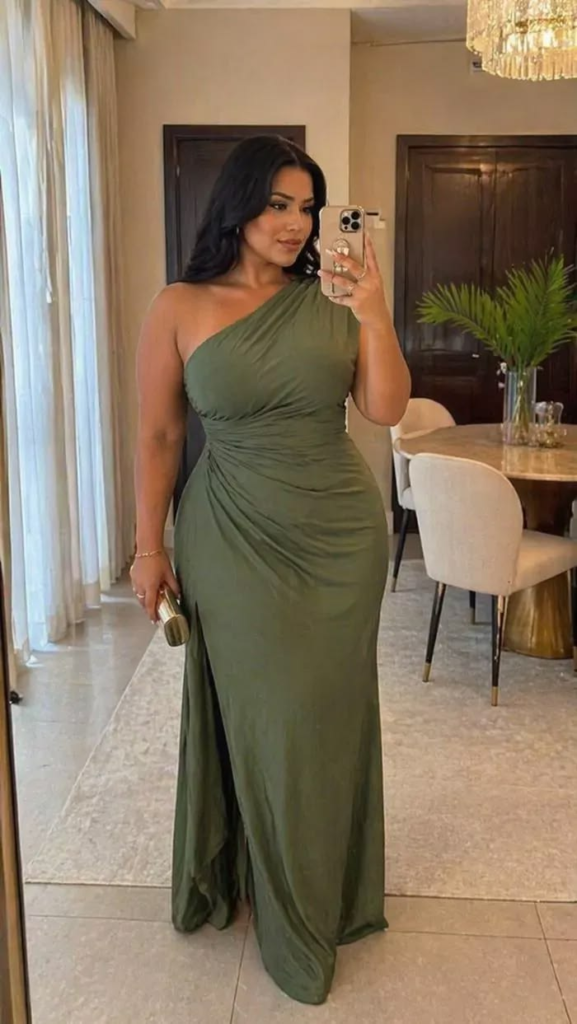
Outfit Ideas I Recommend for You to Feel More Comfortable in a Tight Dress
If you are unsure which fitted dress to try first, I would start with the style that addresses your main concern. You might want more texture around your stomach, a defined waist, or an extra layer for coverage. Here are eight outfit combinations worth considering.
1. Ruched Bodycon Dress
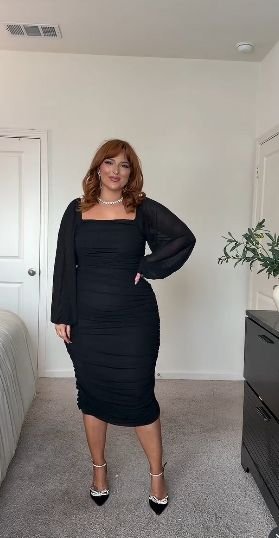
If the fabric clinging across your lower belly makes you uncomfortable, I would consider a ruched bodycon dress. Gathered fabric creates folds across the dress, making the surface look less uniform. This can soften the appearance of the stomach without hiding your shape completely.
Look for ruching placed along the side or front of the waist. A medium-weight fabric can help the gathered details sit neatly. You can wear this style on its own for a party or dinner, keeping your accessories simple so the dress remains the main feature.
2. Wrap-Style Fitted Dress
A wrap-style fitted dress is a good option if you enjoy some definition around your waist. The diagonal lines created by the wrap draw attention across the body rather than creating one continuous horizontal line.
I would look for a design with a secure waist tie or a properly constructed wrap front. You can adjust the fit to suit your comfort, although the fabric should not pull tightly when tied. A solid-color wrap dress works well for dinners, celebrations, and semi-formal events.
3. Structured Midi Dress
For a polished appearance, try a structured midi dress with enough stretch to move comfortably. Its firmer fabric can provide a more consistent shape than a very thin, clingy material.
I would recommend checking the waist seams and torso length before buying. The dress should follow your natural shape without creating tension across your stomach. This option works especially well when you want an outfit suitable for dinner, an office event, or a special occasion.
4. Dark Monochrome Dress
A dark monochrome outfit is worth trying if you prefer a simple, coordinated appearance. Wearing a black, navy, or deep brown dress creates a consistent color from top to bottom. This can give your outfit a visually streamlined effect.
I would choose the color you enjoy wearing rather than limiting yourself to black. A fitted navy dress with understated jewelry can look just as polished. Pay attention to the fabric and fit, because a dark shade alone cannot correct a dress that pulls or feels uncomfortable.
5. Fitted Dress With an Open Blazer
If you want additional coverage around your midsection, layer an open blazer over your fitted dress. The two open sides create vertical lines, adding structure without covering the entire outfit.
Choose a blazer that sits comfortably across your shoulders and falls around your hips or slightly below. A lightweight design is useful for indoor events, while a more structured version works for professional settings. Keep it open if you want the dress to remain visible.
6. Side-Panel or Color-Blocked Dress
Color-blocked dresses use contrasting shades to create visual structure. Some designs feature darker side panels beside a lighter center, while others combine different colors across the waist and skirt.
If you enjoy this style, look for panel placement that complements your proportions. The effect depends on the actual cut and color arrangement, so try the dress before deciding. You can keep accessories neutral to let the design stand out.
7. Square-Neck or V-Neck Fitted Dress
Sometimes, changing the neckline is enough to make an outfit feel more balanced. Square-neck and V-neck dresses draw attention toward the upper part of the body while maintaining a fitted silhouette.
I would choose a neckline based on your personal style, bust support, and comfort. A V-neck can work well for a dinner outfit, while a square neckline offers a clean, structured appearance. Neither neckline hides belly fat directly, but both can help create an overall look you enjoy.
8. Soft Stretch-Knit Dress
If comfort is your priority, a soft stretch-knit dress deserves a place in your wardrobe. Look for a material that follows your shape without becoming transparent or stretching excessively across your stomach.
A ribbed knit can add texture, while a smooth knit gives a more understated finish. Choose a dress that returns to its original shape after movement. This style is particularly useful for casual dinners, everyday outings, and occasions when you want to remain comfortable for several hours.
Use Simple Styling Tricks to Balance Your Silhouette
Small styling decisions can bring an outfit together without requiring a completely different dress. Start with your bra. Proper support can improve how the dress sits across your bust and torso, making the overall fit look more balanced. Check that the straps and band remain comfortable throughout the day.
An open jacket or cardigan can add another layer of structure. Choose a length that works with your dress rather than automatically selecting the longest option. A jacket that ends at an awkward point may interrupt the proportions you want.
Belts require a little more thought. A narrow belt placed at your natural waist can define the waistline if that is a look you enjoy. However, a tight belt can create pressure and make the fabric gather around your stomach. Skip it if the dress already has a flattering waist seam.
Accessories can also influence where people look first. Earrings, a necklace, or an interesting neckline can bring attention toward your face. Choose pieces that suit the occasion instead of adding accessories simply to distract from your stomach.
Color is another useful styling tool. Dark shades often create a visually consistent appearance, but you do not need to avoid bright colors, florals, or prints. Small patterns, larger prints, and color combinations can all work well depending on the dress design.
Finally, pay attention to your shoes and bag when finishing the outfit. A coordinated look can feel more intentional, even when the dress itself is simple. The aim is to style the complete outfit rather than focus exclusively on one part of your body.
Common Mistakes That Make a Tight Dress Less Flattering
A few common clothing mistakes can make a fitted dress feel less comfortable than it needs to be. Fortunately, most are easy to correct.
Buying a smaller size is one of the biggest mistakes. A smaller dress may pull across your stomach, stretch the seams, and ride up when you walk. Try the next size if the fabric feels strained. A size label does not determine how well a dress suits your body.
Another problem is choosing fabric that is too thin for the fit you want. Lightweight materials can be comfortable, but some show every underwear edge or cling unevenly. Check the dress in natural lighting before deciding whether you need a lining or a different fabric.
Shapewear can also create problems when it is too tight. Rolling waistbands, pinching edges, and restricted breathing are signs that the garment is not suitable. Stronger compression does not automatically create a smoother appearance. Try a different size or skip shapewear entirely.
Bulky layers can make an outfit feel heavier than intended. A thick cardigan over a fitted dress might add warmth, but it may not provide the balanced look you prefer. Consider a lighter blazer or a more streamlined jacket instead.
Finally, avoid choosing clothes based only on rules about what women with a belly should wear. You do not need to hide every curve, avoid horizontal lines, or wear dark colors exclusively. Focus on fit, comfort, and your own preferences.
How to Make Your Tight Dress Look Good When Sitting and Moving
A dress may look excellent while you stand in front of a mirror but feel completely different after an hour of wearing it. That is why I recommend testing your outfit before leaving home.
Start by sitting in a chair. Check whether the waistband digs into your stomach, the hem rides up excessively, or the fabric becomes uncomfortable across your hips. Stand again and see whether the dress returns to its original position.
Next, walk around, bend slightly, and raise your arms. These movements can reveal tight seams, shifting straps, and fabric that pulls across the waist. If you plan to dance or attend a long event, spend a few minutes moving as you normally would.
Check your undergarments, too. Smoothing shorts should remain in place without rolling down or creating visible edges. If you keep pulling at the dress, consider adjusting the fit rather than adding more shapewear.
Look at the outfit under ordinary indoor lighting and near a window. Thin materials can appear different in bright light, especially when stretched. A quick check can help you spot transparency or visible underwear lines.
Comfort matters just as much as appearance. You should be able to sit, walk, and enjoy your plans without constantly worrying about your clothes.
Conclusion
Learning how to hide belly fat in a tight dress is less about concealing your body and more about finding clothes that work for you. The right fabric, comfortable undergarments, and thoughtful styling can help a fitted dress feel easier to wear. Try different silhouettes until you find the ones that suit your preferences and the occasion. You can choose ruching, layering, or a simple monochrome look without following every fashion rule. Most importantly, wear a dress that lets you move comfortably and enjoy yourself. Your outfit should support your confidence, not limit it.