
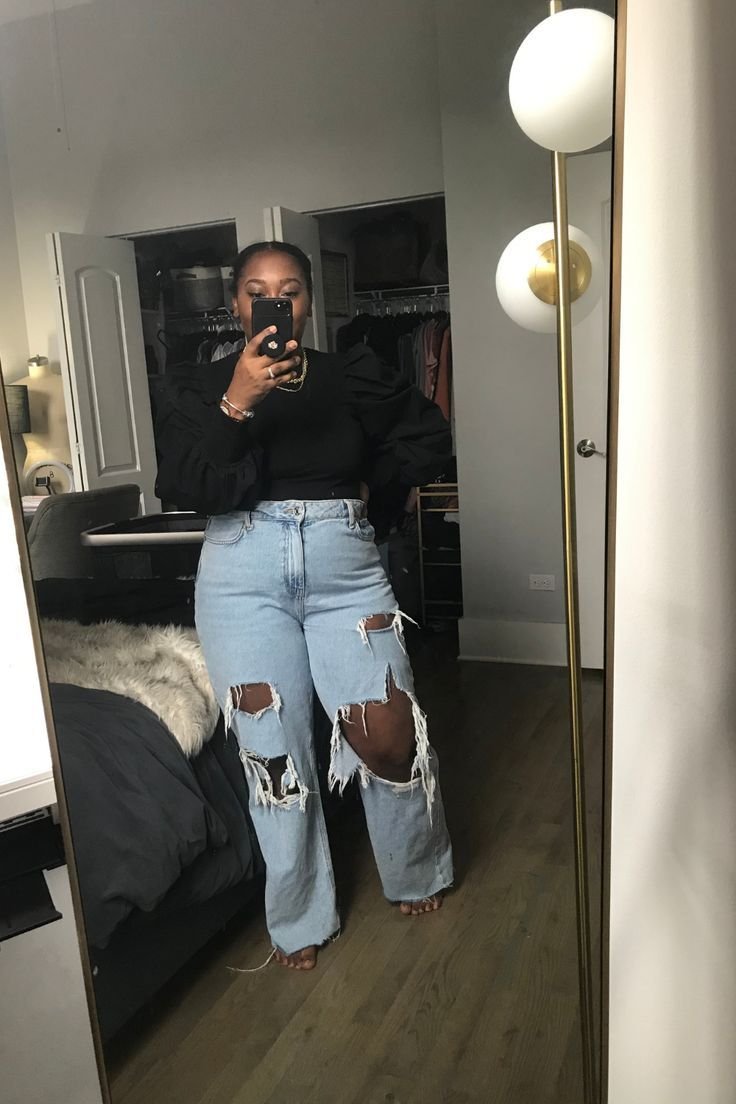
Getting dressed can feel frustrating when you love an outfit but dislike how the fabric sits around your stomach. Sometimes, your favorite jeans create a waistband bulge, or a beautiful dress clings more than you expected. You do not need to hide your entire body or buy a completely new wardrobe to solve these problems. Learning how to make your stomach look flat in clothes starts with choosing comfortable fits, supportive waistbands, and fabrics that skim your body naturally. Small changes in how you style your tops, bottoms, and dresses can make a noticeable difference. With the right combinations, you can create a smoother silhouette while wearing clothes that still feel like you.
- Understand Your Body Shape and Choose Clothes That Fit You
- Clothing Features That Help Create a Smoother Stomach Area
- Choose Waistbands That Sit Comfortably
- Look for Fabrics That Skim Rather Than Cling
- Use Ruching and Draped Details Strategically
- Find the Right Balance Between Fitted and Loose
- Tops That Help Your Stomach Look Smoother
- Peplum Tops That Flare Gently at the Waist
- Wrap Tops With Adjustable Waistlines
- Relaxed Button-Down Shirts With a Front Tuck
- Structured Blouses With a Comfortable Drape
- Bottoms That Create a Balanced Silhouette
- High-Waisted Jeans With a Supportive Waistband
- Straight-Leg and Wide-Leg Trousers
- A-Line Skirts That Skim the Midsection
- Stretch-Waist Pants for Everyday Comfort
- Dresses That Flatter Your Midsection
- Wrap Dresses With Adjustable Ties
- A-Line Dresses With a Defined Bodice
- Empire-Waist Dresses With a Flowing Skirt
- Ruched Dresses With Thoughtful Fabric Placement
- Outfit Combinations I Recommend for You to Try
- A Casual Everyday Outfit With Straight-Leg Jeans
- A Polished Outfit for Work or the Office
- A Comfortable Outfit for Running Errands
- A Feminine Outfit for Lunch or Brunch
- A Dressy Outfit for Dinner or Special Occasions
- A Warm-Weather Outfit That Feels Light
- A Layered Outfit for Cooler Weather
- Colors, Patterns, and Layers That Can Improve Outfit Proportions
- Try Monochromatic Outfits
- Experiment With Vertical Lines and Small Patterns
- Add a Structured Jacket or Open Layer
- Should You Wear Shapewear to Make Your Stomach Look Flatter?
- Common Clothing Mistakes That Can Make Your Stomach More Noticeable
- Wearing Waistbands That Dig Into Your Stomach
- Choosing Fabric That Clings to Every Fold
- Buying Clothes That Are Too Large to Hide Your Shape
- Ignoring Where Tops and Dresses End
- Following Styling Rules That Do Not Suit Your Proportions
- How to Choose the Right Outfit for Your Everyday Needs
- Conclusion
Understand Your Body Shape and Choose Clothes That Fit You
Before buying new clothes, take a moment to understand how your current outfits fit around your middle. Your stomach shape, waist placement, torso length, and hip proportions all influence how a garment looks on you. Two people can wear the same dress size and have completely different experiences with the same outfit.
Some people naturally carry more fullness around their stomach, while others notice changes throughout the day because of bloating. Your waistline may also sit higher or lower depending on your proportions. These differences affect where waistbands, seams, and dress belts feel comfortable.
Instead of focusing only on your clothing size, pay attention to the actual fit. A pair of jeans should sit comfortably without digging into your stomach when you sit down. A blouse should have enough room to move without pulling across the buttons. Similarly, a dress should follow your shape without creating uncomfortable tension around your middle.
Try clothes in different cuts rather than assuming one particular style will always suit you. You might prefer mid-rise jeans over high-rise styles, or you may find that a wrap dress feels better than a fitted sheath dress.
Your goal is to find clothes that work with your proportions. When the waistband sits comfortably and the fabric falls naturally, your entire outfit can look more balanced without requiring restrictive clothing.
Clothing Features That Help Create a Smoother Stomach Area
The small details of a garment can make a bigger difference than its overall style. Waistband construction, fabric weight, seams, and the amount of stretch all influence how clothes sit around your stomach.
Choose Waistbands That Sit Comfortably
High-rise jeans can offer a smooth appearance when the waistband fits properly and stays in place. However, they are not automatically the best option for everyone. If a high waistband rolls down or presses into your stomach, try a mid-rise style instead.
Look for a waistband that stays flat without digging into your skin. Stretch denim can improve comfort, while a well-constructed waistband helps the garment maintain its shape. Adjustable waistbands are also useful when your measurements fluctuate throughout the day.
Look for Fabrics That Skim Rather Than Cling
Fabric choice matters when you want a smooth silhouette. Medium-weight denim, ponte knit, structured cotton, and crepe often provide more shape than very thin, clingy materials.
For tops and dresses, choose fabrics that drape naturally without sticking to every curve. However, avoid assuming that thicker fabric is always better. Heavy materials can add bulk, particularly when several layers overlap around your waist.
Check the garment in natural light before buying it. If the fabric becomes transparent or clings uncomfortably when stretched, consider another option.
Use Ruching and Draped Details Strategically
Ruching creates small gathers in the fabric, adding texture around the stomach area. When positioned thoughtfully, these details can soften the appearance of the midsection.
Diagonal seams, wrap fronts, and gently draped panels can also create visual movement. Look for designs where the fabric gathers naturally rather than bunching into one thick area.
Find the Right Balance Between Fitted and Loose
Very tight clothing can create pulling, visible seams, and uncomfortable pressure. Extremely oversized clothing may lose your natural proportions and create unnecessary bulk.
Choose pieces that give you room to move while maintaining a clear shape. A relaxed blouse with straight-leg jeans, for example, can look balanced without either piece feeling restrictive.
Tops That Help Your Stomach Look Smoother
The right top can change how your entire outfit looks. Focus on its length, shape, and relationship with your waistband rather than choosing a style simply because it is marketed as flattering.
Peplum Tops That Flare Gently at the Waist
A peplum top fits around the upper waist before flaring outward. This shape creates space around the stomach and hips without requiring an oversized fit.
Choose a design with a gentle flare rather than excessive fabric. Pair it with straight-leg jeans, tailored trousers, or a simple pencil skirt. If the peplum ends at a point that makes your torso look shorter than you prefer, try a slightly longer version.
Wrap Tops With Adjustable Waistlines
Wrap tops let you adjust the fit around your waist and bust. Their diagonal front lines can create definition without requiring a tight waistband.
Look for a wrap top that stays securely closed when you move. Pair it with trousers or jeans that sit comfortably at your natural waist. Avoid pulling the ties too tightly, as this can create unwanted gathers around your middle.
Relaxed Button-Down Shirts With a Front Tuck
A button-down shirt is a useful everyday option because you can style it in several ways. Leave it untucked for a relaxed look, or tuck only the front edge into your trousers.
A loose front tuck adds shape without requiring the entire shirt to sit tightly inside your waistband. Choose a shirt with enough room across the stomach so the buttons do not pull apart.
Structured Blouses With a Comfortable Drape
A blouse with a slightly structured shape can create clean lines without clinging. Look for a fabric that falls away from your stomach while maintaining its shape around the shoulders.
Pair a blouse with straight-leg trousers or dark-wash jeans for an easy, balanced outfit. If the top feels bulky when tucked in, wear it untucked or use a partial tuck instead.
Bottoms That Create a Balanced Silhouette
Your bottoms affect how your stomach looks because the waistband determines where the fabric begins and how it interacts with your middle. A comfortable fit should remain consistent when you stand, sit, and walk.
High-Waisted Jeans With a Supportive Waistband
High-waisted jeans can work well when they sit smoothly across your stomach and do not roll down. Choose a waistband that follows your natural shape instead of pressing tightly against it.
Straight-leg and gently tapered styles are versatile choices. Check the front pockets, too. Pockets that gape or pull can interrupt the smooth appearance of the denim.
Straight-Leg and Wide-Leg Trousers
Straight-leg trousers create a clean line from the hips downward, while wide-leg trousers add movement and room through the legs.
Both styles can work with fitted tops, relaxed blouses, and structured jackets. Look for a flat front and a waistband that closes comfortably. If pleats add unwanted volume around your stomach, try a flat-front design instead.
A-Line Skirts That Skim the Midsection
An A-line skirt fits around the waist and gradually widens toward the hem. This shape allows the fabric to move away from your stomach and hips without clinging.
Pair it with a tucked blouse, a fitted knit top, or a wrap-style shirt. Choose a waistband that lies flat and a skirt length that feels appropriate for your plans.
Stretch-Waist Pants for Everyday Comfort
Stretch-waist trousers are practical for long days, travel, and casual activities. Soft elastic or adjustable drawstrings can provide a comfortable fit without creating pressure.
Look for pants with enough structure to hold their shape. Pair them with a relaxed shirt or a neatly fitted top to keep the overall outfit balanced.
Dresses That Flatter Your Midsection
A dress can simplify getting dressed because it creates one continuous outfit. The key is choosing a shape that works with your proportions and feels comfortable throughout the day.
Wrap Dresses With Adjustable Ties
Wrap dresses are useful because their ties allow you to adjust the waistline. The overlapping front creates diagonal lines, while the skirt can provide room around the stomach and hips.
Choose a fabric that stays in place and does not become too clingy when you move. Make sure the neckline feels secure when sitting or bending.
A-Line Dresses With a Defined Bodice
An A-line dress fits more closely around the upper body before widening toward the hem. This shape creates definition without requiring a tight fit around the stomach.
Look for a bodice that fits comfortably through the bust and shoulders. A dress that fits well at the top is easier to wear than one that relies on excessive fabric throughout the entire body.
Empire-Waist Dresses With a Flowing Skirt
Empire-waist dresses have a raised seam just below the bust. The fabric then falls loosely over the stomach and hips.
This style can be comfortable if you prefer less definition around your middle. However, check the seam placement carefully. A seam that sits too high or feels tight beneath the bust may not provide the fit you want.
Ruched Dresses With Thoughtful Fabric Placement
Ruching can create texture and soften the appearance of the stomach area. Dresses with gathers along the side or across the front may be worth trying if you prefer fitted styles.
Check that the ruching lies smoothly and that the dress does not ride up as you walk. A lined design can also help the fabric sit more comfortably.
Outfit Combinations I Recommend for You to Try
Now that you understand the clothing features that can help, let’s put them together. You do not need an entirely new wardrobe. A few well-fitting basics can create outfits for work, casual outings, dinners, and warmer days.
A Casual Everyday Outfit With Straight-Leg Jeans
For an easy everyday look, I recommend starting with straight-leg jeans and a relaxed blouse. Choose denim with a comfortable waistband and enough structure to maintain its shape. A soft cotton blouse or a lightweight knit top can balance the fitted waist without clinging to your stomach.
Try a partial front tuck if you want to define your waist. If the fabric bunches around your middle, leave the top untucked instead. Add an open shirt or lightweight jacket when you want another layer.
For colors, you could pair dark-wash jeans with a cream, navy, or muted green top. The combination feels practical while allowing you to wear pieces you probably already own.
A Polished Outfit for Work or the Office
For work, I would suggest tailored trousers, a draped blouse, and a structured blazer. Choose trousers with a flat front and a waistband that remains comfortable during long meetings. A straight-leg cut is a useful starting point if you prefer a clean, uncomplicated shape.
Wear the blouse tucked in if it sits smoothly, or leave it untucked if the length works better with your proportions. The blazer adds structure around the shoulders and creates another vertical line through the outfit.
A coordinated color palette can make the combination look professional without feeling overly formal. Navy trousers, a light blouse, and a matching or neutral blazer are easy pieces to combine.
A Comfortable Outfit for Running Errands
When you have a busy day ahead, comfort should come first. I recommend stretch-waist trousers or comfortable jeans with a relaxed T-shirt or casual button-down shirt.
Look for a top that falls naturally over your waistband without being so long that it overwhelms your frame. A shirt with side slits can provide extra movement around the hips.
If you prefer layering, add an open cardigan or lightweight overshirt. You can remove it easily when the weather changes. Neutral trousers paired with a colored top also make it simple to reuse the same bottoms with other pieces in your wardrobe.
A Feminine Outfit for Lunch or Brunch
For lunch with friends or a weekend brunch, try an A-line skirt with a wrap top. The skirt provides room through the hips, while the wrap top creates definition around the upper body.
Choose a skirt with a comfortable waistband and a top that stays securely in place. If you prefer trousers, a softly draped blouse with straight-leg pants can create a similar effect.
You can experiment with floral prints, soft stripes, or solid colors. If your skirt has a busy pattern, a plain top can keep the outfit visually balanced. The idea is to wear a combination that feels put together without requiring constant adjustments.
A Dressy Outfit for Dinner or Special Occasions
For a dinner or celebration, consider a wrap dress or a ruched midi dress. Both offer opportunities to create shape without choosing a stiff or restrictive garment.
Look for a dress that fits comfortably across the bust and allows you to sit without the fabric pulling around your stomach. Side ruching can be useful if you enjoy a closer fit, while a wrap dress provides more flexibility around the waist.
A simple blazer or tailored jacket can complete the look when you want extra coverage. Choose a dress in a color you enjoy wearing rather than assuming you must wear black to create a flattering silhouette.
A Warm-Weather Outfit That Feels Light
On hot days, I recommend breathable cotton or linen-blend clothing. Try a relaxed button-down shirt with high-waisted shorts or lightweight trousers.
Choose shorts with a waistband that stays comfortable when sitting. If linen wrinkles easily, look for a blended fabric that offers a little more structure. You can leave the shirt untucked or tuck in just one side, depending on how it falls.
Light neutrals, soft blues, and earthy shades are easy to combine for summer. The important part is allowing enough room for airflow without choosing clothes that feel shapeless.
A Layered Outfit for Cooler Weather
For cooler days, start with a comfortable base layer, such as a fine-knit top, and add a structured jacket or open-front cardigan. Pair these pieces with straight-leg jeans or tailored trousers.
A base layer should fit smoothly without feeling tight. Your outer layer can provide structure and create a longer line through the outfit.
If several layers make your stomach area feel bulky, choose thinner fabrics rather than adding more clothing. A single well-fitting jacket often works better than multiple heavy layers. This combination is practical for everyday wear because you can adjust it easily as temperatures change.
Colors, Patterns, and Layers That Can Improve Outfit Proportions
Color and pattern can influence how an outfit appears, but you do not need to avoid bright shades or prints to create a balanced look. Focus on how individual pieces work together.
Try Monochromatic Outfits
Wearing similar colors from top to bottom creates a continuous visual line. For example, navy trousers with a navy top can look streamlined, while different shades of beige can create a softer effect.
You do not need an exact color match. Combining related shades can provide a similar sense of continuity.
Experiment With Vertical Lines and Small Patterns
Vertical stripes can draw the eye along the length of an outfit, while small prints may feel less visually dominant than oversized patterns. However, pattern scale is a personal preference, not a strict rule.
Try different prints in a well-fitting garment and see which ones you enjoy wearing. The fit and placement of the fabric usually matter more than the print alone.
Add a Structured Jacket or Open Layer
An open blazer, cardigan, or overshirt creates vertical lines on either side of your torso. This can add definition without squeezing your stomach.
Choose a layer that fits your shoulders and falls comfortably over your hips. Avoid jackets that pull when buttoned or cardigans that add too much bulk around the waist.
Should You Wear Shapewear to Make Your Stomach Look Flatter?
Shapewear is optional. You can create a flattering outfit with regular clothing, but smoothing garments may help if you prefer a more even finish under certain dresses or trousers.
High-waisted smoothing shorts can reduce visible fabric lines beneath a dress. A smoothing bodysuit may also provide a consistent base under a fitted blouse or jumpsuit. Choose a style that works with your outfit rather than buying one simply because it promises stronger compression.
Size matters here. Shapewear should fit securely without making it difficult to breathe, sit, bend, or move. If the waistband rolls down or the garment creates painful pressure, try another size or style.
Breathable materials can make shapewear more comfortable during long events, especially in warm weather. Check the leg openings and seams under your clothes to ensure they do not create additional lines.
You do not need shapewear for everyday dressing. A comfortable waistband, a well-fitting top, and suitable fabric can already make a noticeable difference. Wear smoothing garments only when they help you feel more comfortable in your chosen outfit.
Common Clothing Mistakes That Can Make Your Stomach More Noticeable
A few common styling mistakes can make clothes feel less comfortable or create unwanted lines. Fortunately, most are easy to correct.
Wearing Waistbands That Dig Into Your Stomach
A waistband that presses into your middle may create bulges above or below the fabric. Try another rise, a different cut, or a more flexible waistband instead of forcing yourself into a smaller size.
Choosing Fabric That Clings to Every Fold
Very thin jersey or stretchy fabric may cling more than you expect. If you prefer a smoother appearance, try a slightly heavier knit or a fabric with more structure. You can still wear lightweight materials when they drape comfortably.
Buying Clothes That Are Too Large to Hide Your Shape
Oversized clothing can feel comfortable, but excessive fabric may make an outfit appear bulky. Choose a relaxed fit with some structure, and balance a loose top with more defined trousers or vice versa.
Ignoring Where Tops and Dresses End
A top that ends at an uncomfortable point around your waistband may create a visual break you do not enjoy. Try different lengths to see whether a slightly shorter, longer, or asymmetrical hem works better.
Following Styling Rules That Do Not Suit Your Proportions
You may hear that everyone should wear dark colors, high-waisted jeans, or loose tops to disguise their stomach. These rules are too restrictive. Test different styles and keep the ones that fit comfortably and make you feel good.
How to Choose the Right Outfit for Your Everyday Needs
Before choosing an outfit, consider where you are going, how long you will wear it, and how much movement your day requires. A dress that works for a short dinner may feel uncomfortable during a full day at work.
When shopping, check the fit while sitting, walking, and reaching. Pay attention to waistbands, seams, fabric stretch, and whether the garment stays in place. If something requires constant pulling or adjusting, it may not be the right fit.
Build your wardrobe around versatile pieces that work together. Straight-leg jeans, comfortable trousers, a few well-fitting tops, and a dress you enjoy wearing can provide plenty of options without unnecessary spending.
Conclusion
Feeling comfortable in your clothes starts with choosing pieces that fit your body rather than trying to change your shape. When learning how to make your stomach look flat in clothes, focus on supportive waistbands, fabrics that drape well, and outfits that balance your proportions. Experiment with different tops, trousers, skirts, and dresses until you find combinations that suit your everyday needs. You do not have to give up fitted clothing or wear shapewear to look put together. The best outfit is one that lets you move comfortably and feel confident.