
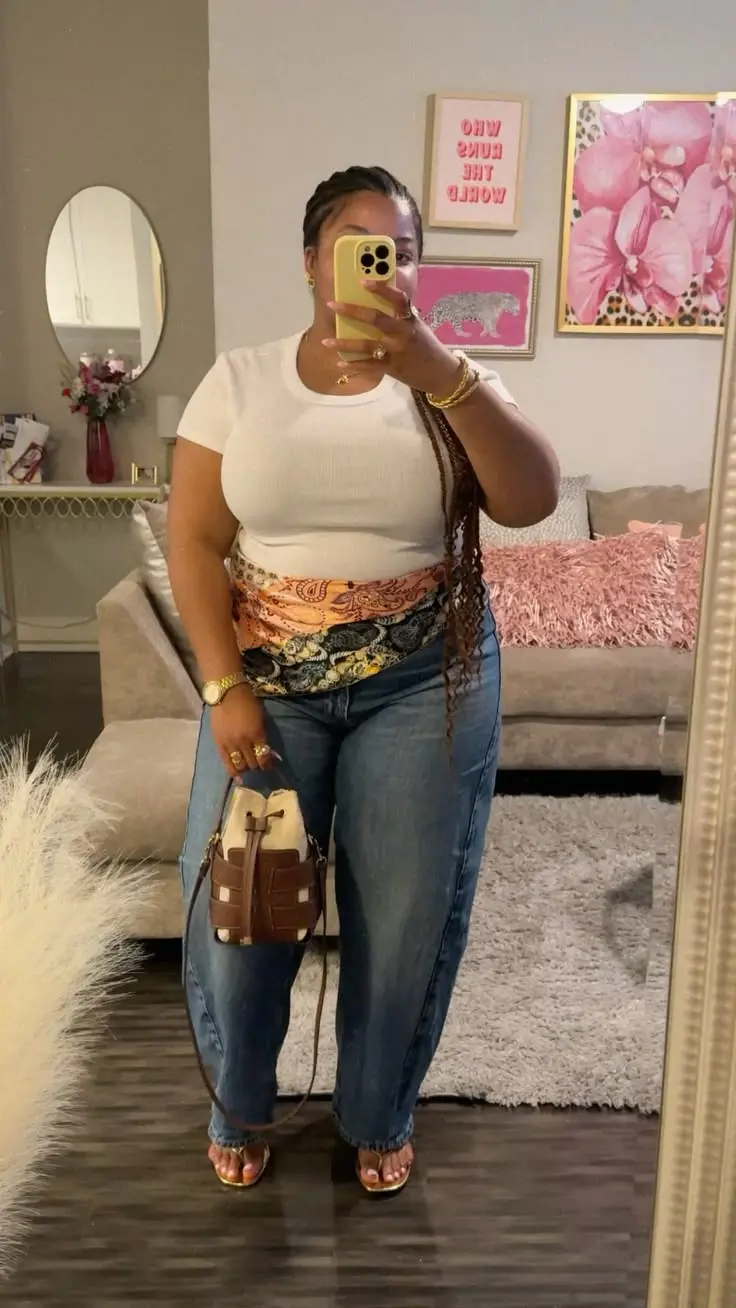
Finding jeans that sit comfortably across your lower abdomen can be frustrating. Waistbands may dig in, fabric can pull around the zipper, and some cuts create lines you would rather not emphasize. Learning how to hide FUPA in jeans starts with choosing denim that fits your body instead of squeezing it. Waistband placement, fabric weight, leg shape, and top length all affect how your outfit looks and feels. You do not need to wear oversized clothes or rely on shapewear to create a smoother silhouette. With a few practical adjustments, you can build outfits that offer comfortable coverage while keeping your personal style intact.
- Start With the Jeans You Already Own
- The Jeans Features I Would Prioritize for a Smoother Front
- Choose a Rise That Covers the Lower Abdomen
- Look for a Stable Waistband and a Flat Front
- Find the Right Balance Between Stretch and Structure
- Decide Whether Tummy-Control Jeans Are Worth Buying
- Which Jeans Cuts Work Best for Your Preferred Silhouette?
- Straight-Leg Jeans for a Clean, Balanced Shape
- Wide-Leg and Bootcut Jeans for Different Proportions
- Skinny and Slim Jeans Without Excessive Cling
- Dark Washes and Clean Fronts for a More Continuous Look
- Outfit Combinations I Recommend for Wearing Jeans Comfortably
- High-Rise Straight Jeans With a Soft, Half-Tucked Shirt
- Wide-Leg Jeans With a Shorter Structured Top
- Dark Slim Jeans With a Longer Blouse and Open Blazer
- Bootcut Jeans With a Wrap or Draped Top
- Relaxed Jeans With a Lightweight Open Layer
- Small Styling Adjustments That Can Change How Jeans Sit
- How to Check the Fit Before Buying Jeans
- Final Thoughts on Finding Jeans That Work for You
Start With the Jeans You Already Own
Before buying new denim, check whether small adjustments can improve the fit of your current jeans. Sometimes, the problem comes from the waistband sitting at an awkward height rather than the entire pair being unsuitable.
Start by checking where the waistband rests. If it cuts across the fullest part of your lower abdomen or rolls when you sit, try positioning it slightly higher or testing a different rise. Avoid forcing the waistband into place if it creates pressure or discomfort.
Next, examine the front closure. Pulling around the zipper, diagonal wrinkles near the pockets, or a waistband that gaps at the back can indicate a fit problem. Changing your top will not fix denim that is too tight or poorly shaped for your proportions.
Try pairing your jeans with a shirt that falls just below the waistband. A partial tuck can also work if the fabric stays flat instead of gathering around the button.
Finally, sit down, walk around, and bend your knees. Jeans that look good while standing should still feel comfortable during everyday movement. If they constantly need adjusting, consider trying another size or cut before replacing your entire wardrobe.
The Jeans Features I Would Prioritize for a Smoother Front
Choosing the right pair starts with construction, not simply the label or size. Small differences in rise, waistband design, and denim composition can affect both comfort and appearance.
Choose a Rise That Covers the Lower Abdomen
High-rise jeans often provide more coverage because their waistbands extend farther up the torso. Look for a pair that sits securely without cutting into your lower abdomen or pushing fabric upward.
Mid-rise jeans can also work well if high-rise waistbands feel restrictive or roll when you sit. Focus on where the waistband naturally rests rather than choosing the highest rise available.
Body proportions matter here. Longer torsos may accommodate taller rises comfortably, while shorter torsos may feel crowded by excessive fabric above the hips. Trying both options will help you identify a position that stays stable throughout the day.
Look for a Stable Waistband and a Flat Front
Waistband construction deserves as much attention as the overall cut. Wider waistbands may distribute pressure more comfortably, while firm, well-fitted waistbands can help jeans stay in place during movement.
Check the button and zipper area for bulky stitching, puckering, or fabric that pulls tightly across the front. Minimal front detailing may create a cleaner appearance if prominent seams or decorative elements draw attention to the area.
Pocket placement also matters. Slanted pockets that gape can create extra lines, especially when the jeans fit tightly through the hips. Flat pockets or streamlined pocket openings may work better for your preferred look.
Find the Right Balance Between Stretch and Structure
Denim composition changes how jeans respond to your body. Rigid denim offers a firm feel and can maintain its shape, but some people find it restrictive around the waist when sitting.
Moderate-stretch denim usually provides a useful balance between structure and movement. Look for fabric that follows your shape without feeling stretched to its limit.
Very stretchy jeans can feel comfortable initially, but some fabrics lose their shape after repeated wear. Pay attention to how the waistband recovers after you pull it gently and release it.
Prioritize comfort over the idea that firmer fabric always creates a flatter front. Stiff denim that digs into your abdomen will rarely feel like a good choice for all-day wear.
Decide Whether Tummy-Control Jeans Are Worth Buying
Tummy-control jeans contain built-in panels or reinforced front sections designed to provide a more secure feel. They may suit you if you prefer additional support without wearing separate shapewear.
Check how the panel sits against your lower abdomen. Excessive compression can create uncomfortable pressure or cause fabric to spill over the waistband.
Try sitting and bending before deciding. If the panel rolls, pinches, or restricts movement, another pair may serve you better.
Regular jeans with a comfortable rise and suitable stretch can work just as well for your styling preferences. Built-in control is an optional feature, not a requirement.
Which Jeans Cuts Work Best for Your Preferred Silhouette?
Leg shape influences how your entire outfit looks, even though it does not change the fit across your abdomen. Choosing a cut that balances your preferred top and bottom proportions can make dressing easier.
Straight-Leg Jeans for a Clean, Balanced Shape
Straight-leg jeans maintain a fairly consistent width from the thigh toward the hem. Their simple shape works well with a fitted knit, relaxed button-down, or lightweight sweater.
Try dark indigo denim with a cream shirt and a brown belt for an everyday outfit. Leaving the shirt untucked creates coverage, while a small front tuck can define the waist without adding much fabric.
Choose a pair that fits comfortably through the hips and thighs. Excessive pulling around the crotch or front pockets can make even a classic cut look uncomfortable.
Wide-Leg and Bootcut Jeans for Different Proportions
Wide-leg jeans create more volume below the hips, making them useful when you want a relaxed outfit with a balanced overall shape. Pair medium-wash denim with a neat knit top or a blouse that finishes around the upper hip.
Bootcut jeans offer a subtler alternative. Their slight flare can balance fitted tops and work particularly well with a tucked-in shirt or a blouse with gentle draping.
For either cut, avoid combining extremely voluminous jeans with a bulky top unless you specifically enjoy that silhouette. Keeping one part of the outfit relatively streamlined can make the proportions easier to manage.
Skinny and Slim Jeans Without Excessive Cling
Slim and skinny jeans remain practical options when you prefer a closer fit through the legs. Look for a comfortable waistband and enough stretch to move without creating strong tension lines across the front.
Pair black slim jeans with a longer, softly draped blouse and a lightweight jacket. Leaving the blouse untucked provides coverage without requiring a loose, oversized fit.
If skinny jeans feel restrictive around your abdomen, try a straight or slim-straight cut instead. You can retain a defined leg shape without dealing with the same degree of cling.
Dark Washes and Clean Fronts for a More Continuous Look
Black, deep indigo, and dark charcoal denim offer understated options for everyday and smart-casual outfits. Their relatively uniform color can create a continuous appearance when paired with similarly toned tops.
Heavy fading, whiskering, contrast stitching, and prominent front details may draw attention to specific areas. Choose them if you enjoy those details, or opt for a cleaner finish when you prefer less visual emphasis around your abdomen.
Color alone cannot correct an uncomfortable fit. Well-fitting light-wash jeans may look and feel better than dark jeans that pull across the front.
Outfit Combinations I Recommend for Wearing Jeans Comfortably
Once you have identified a suitable rise and cut, use your tops and layers to create outfits that match your daily needs. Each combination below serves a different purpose, from casual errands to polished occasions.
High-Rise Straight Jeans With a Soft, Half-Tucked Shirt
Start with dark blue straight-leg jeans and a soft cotton button-down in white, pale blue, or muted sage. Leave most of the shirt loose, then tuck a small section near the front or side if you want to show some of the waistband.
Choose a shirt with enough room across the abdomen to fall naturally. Thin fabric that clings to the body may not provide the coverage you want, while stiff material can bunch around the tuck.
Finish with loafers, simple sneakers, or ankle boots, depending on the weather. Adding a slim belt can complete the outfit if the waistband fits comfortably without it.
This combination works for casual outings, shopping, and relaxed lunches. Skip the tuck if it creates unwanted bulk or makes the waistband feel tighter.
Wide-Leg Jeans With a Shorter Structured Top
Pair high-rise wide-leg jeans with a structured knit top that ends around the upper hip. Choose a top that follows your shape gently rather than gripping your lower abdomen.
Cream, burgundy, chocolate brown, and navy work well with dark denim. A top with a defined shoulder line or neat neckline can add structure without requiring tight clothing.
Consider a fine-gauge sweater during cooler months or a substantial cotton top in warmer weather. Flat sandals, sneakers, or loafers can keep the outfit relaxed.
Shorter tops do not have to expose your stomach. Look for a hem that meets the waistband or covers its upper edge, depending on your comfort level. If that length feels too revealing, choose a slightly longer top with a clean silhouette instead.
Dark Slim Jeans With a Longer Blouse and Open Blazer
For work or dinner plans, combine black slim jeans with a blouse that falls below the lower abdomen. Add an open blazer in charcoal, camel, or navy to create two vertical lines along the front of your outfit.
Choose a blouse in a fluid fabric that drapes rather than clings. Avoid excessive gathering around the waistband if you want a cleaner front.
Loafers, low heels, or pointed flats can give the combination a more polished finish. A structured handbag and simple earrings are enough to complete the look without adding unnecessary detail.
Check your workplace dress code before wearing denim to the office. If jeans are permitted, choose a clean, dark wash without distressed patches or heavy fading.
Bootcut Jeans With a Wrap or Draped Top
Bootcut jeans pair naturally with wrap-style blouses and tops featuring angled hems. Their subtle flare balances the lower half of the outfit, while the top introduces shape without relying on a tight fit.
Try dark denim with a burgundy wrap top, a soft green blouse, or a patterned shirt with a restrained print. Look for adjustable ties that sit comfortably rather than pulling tightly across the abdomen.
Low block heels, boots, or other shoes that work with the jeans’ length can finish the outfit. Make sure the hems do not drag on the ground.
Wrap tops vary considerably in construction. Some create deep folds around the waist, so try the garment with your jeans before buying it. A softly draped alternative may suit you better if the tie adds too much bulk.
Relaxed Jeans With a Lightweight Open Layer
For everyday errands, pair relaxed straight-leg jeans with a simple T-shirt and an open cotton shirt or lightweight cardigan. Choose a base layer that sits smoothly against your body, then use the outer layer for extra coverage.
Medium-wash jeans with a white T-shirt and an olive overshirt create an easy combination. Neutral sneakers or comfortable loafers suit the casual setting, while a crossbody bag keeps the outfit practical.
During cooler weather, replace the overshirt with a fine-knit cardigan or an unstructured jacket. In warm conditions, choose breathable cotton or linen blends to avoid unnecessary heat.
Keep the outer layer light enough to move freely. Thick, oversized layers can add bulk and may feel uncomfortable indoors. The goal is to create the coverage you prefer without hiding the entire outfit.
Small Styling Adjustments That Can Change How Jeans Sit
Minor changes can improve an outfit without requiring new denim.
- Adjust your tuck: Try a small French tuck near the center or side of the waistband. Keep the fabric flat rather than gathering it into a thick fold.
- Check your top’s hem: Shirts that skim past the lower abdomen may offer more comfortable coverage than tops ending directly across its fullest point.
- Use open layers thoughtfully: An unbuttoned shirt, cardigan, or blazer adds coverage while keeping the front of the outfit visually open.
- Choose comfortable base layers: Smooth underwear can reduce visible seams. Optional shapewear may suit your preferences, but it should not pinch, roll, or restrict breathing and movement.
- Avoid sizing down for compression: Tighter jeans can create more pronounced pressure lines and make sitting uncomfortable. Choose a size that fits your waist and hips without excessive pulling.
Remember that these adjustments work differently on different bodies. Keep the ones that improve your comfort and appearance, and ignore anything that feels restrictive or unnatural.

How to Check the Fit Before Buying Jeans
Use the fitting room to test more than how the jeans look in front of a mirror. Practical movement reveals problems that standing still can hide.
Sit in a chair and check whether the waistband digs into your abdomen. Stand up again and see whether it returns to a comfortable position without rolling.
Walk, bend your knees, and reach down. Watch for excessive pulling around the zipper, gaping pockets, or fabric that shifts constantly.
Check the back waistband too. If it gaps while the front fits comfortably, another rise or cut may work better. When the entire pair feels tight, try the next size rather than relying on stretch to solve everything.
Finally, consider the fabric and intended use. Jeans for long workdays may need more flexibility than a pair reserved for occasional outings. Prioritize movement, secure coverage, and a fit you can comfortably wear for several hours.
Final Thoughts on Finding Jeans That Work for You
Learning how to hide FUPA in jeans is less about concealing your body with oversized clothes and more about choosing denim that fits comfortably. Start with a suitable rise, a stable waistband, and fabric that allows natural movement. Then experiment with leg cuts, shirt lengths, and lightweight layers to create your preferred silhouette. Whether you choose straight-leg denim, wide-leg jeans, or a slim cut, comfort should guide the final decision. Jeans that sit well and let you move freely are far more useful than a pair that only looks good while standing still.