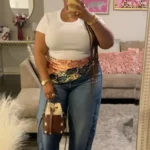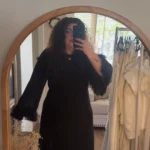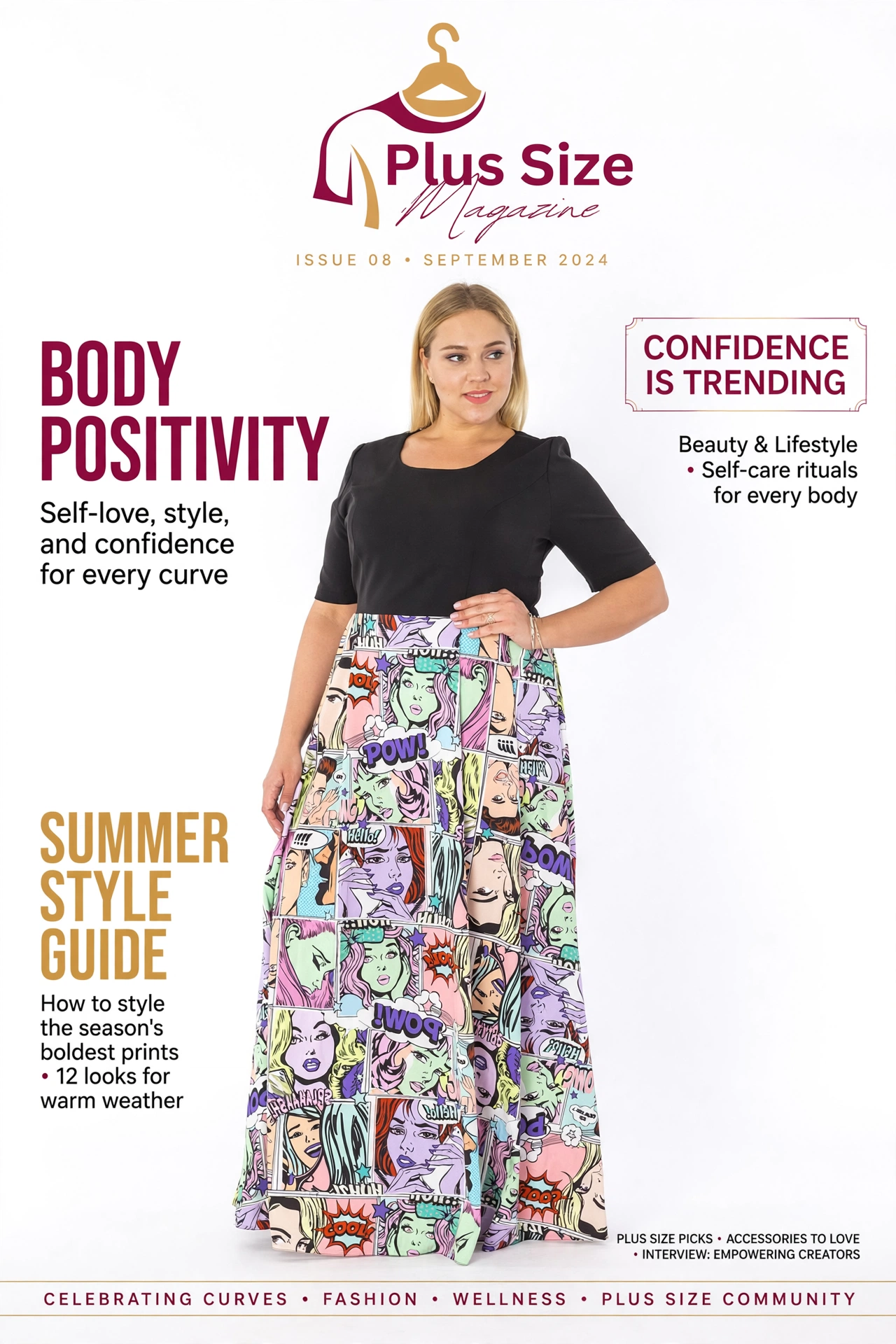

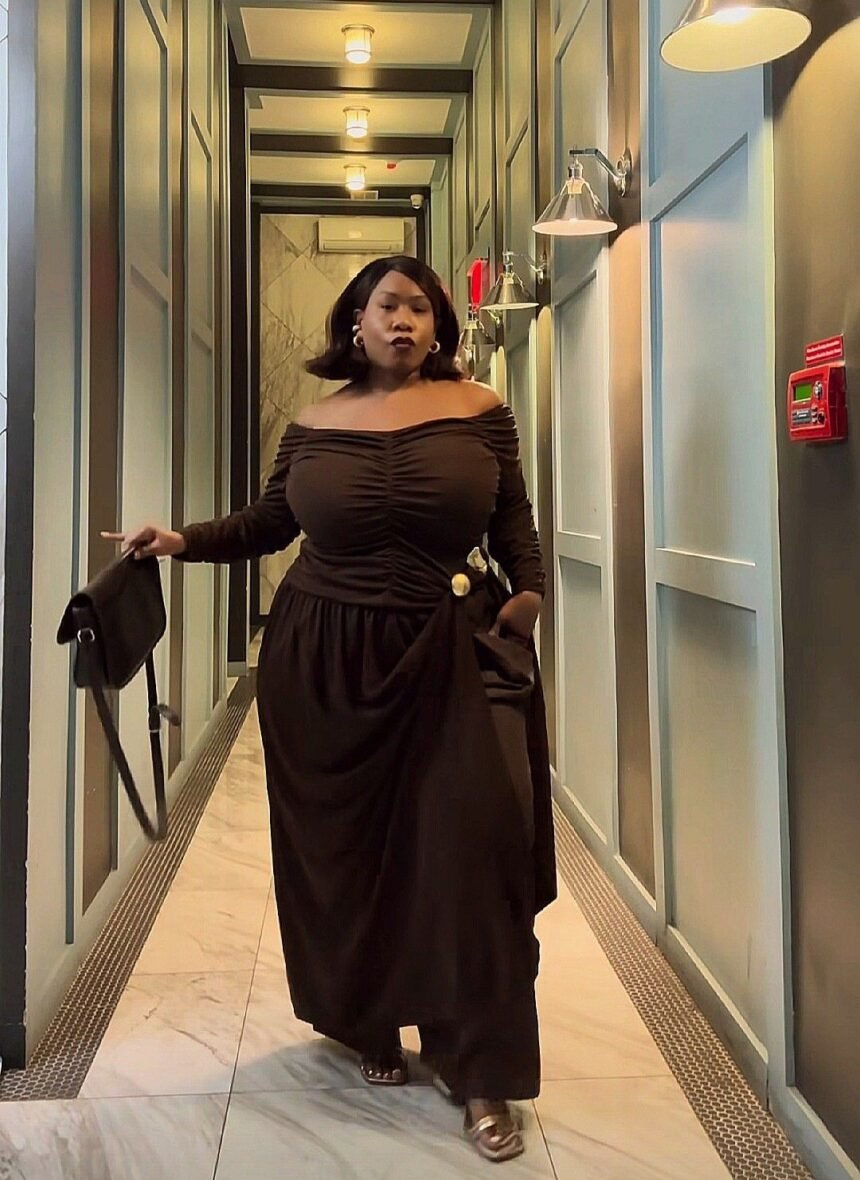
Finding clothes that fit your waist, bust, hips, and tummy comfortably can be challenging when your proportions vary. Some tops fit your shoulders but pull across your stomach, while fitted dresses may feel restrictive around your middle. Learning how to dress an hourglass figure with a big tummy starts with understanding your proportions and choosing clothes that accommodate them without losing your natural waist definition. Wrap tops, well-fitted trousers, and dresses with adjustable waistlines can offer both comfort and shape. The right choices depend on your torso length, preferred fit, and everyday needs. With a few practical styling techniques, you can build a wardrobe that feels comfortable, looks balanced, and works for your lifestyle.
- Understand Your Hourglass Shape and Tummy Proportions
- Choose Tops That Define Your Waist Without Clinging
- Find Pants and Jeans That Fit Your Waist and Stomach
- High-Rise and Mid-Rise Waistbands
- Straight-Leg and Bootcut Jeans
- Wide-Leg Trousers and Comfortable Fabrics
- Wear Dresses That Balance Your Curves
- Wrap Dresses for Adjustable Waist Definition
- Fit-and-Flare Dresses for Comfortable Movement
- Ruched and Draped Dresses for a Flexible Fit
- Pick Skirts That Complement Your Hourglass Figure
- A-Line Skirts for Easy Movement
- Pencil Skirts With Comfortable Waistbands
- Bias-Cut Skirts That Follow Your Curves
- Use Jackets and Layers to Create a Balanced Silhouette
- Tailored Blazers That Follow Your Shape
- Open Cardigans for Vertical Lines
- Belts and Waist Definition Without Tightness
- Choose Fabrics, Prints, and Colors That Work for You
- Common Styling Mistakes to Avoid
- Build Everyday Outfits Around Your Natural Shape
- Casual Outfits With Jeans and Fitted Tops
- Workwear With Tailored Trousers and Structured Layers
- Dressier Outfits With Wrap Dresses and Defined Waistlines
- My Favorite Outfit Combinations for Your Hourglass Figure and Fuller Tummy
- Final Tips for Dressing an Hourglass Figure With a Fuller Tummy
Understand Your Hourglass Shape and Tummy Proportions
An hourglass figure typically has a defined waist, with the bust and hips appearing relatively balanced. A fuller tummy can change how clothes fit around the middle without changing your overall body shape. You might find that a top fits your bust but pulls across your abdomen, or trousers fit your hips but leave extra room at the waist.
The key is to shop for your actual measurements rather than relying on body-shape labels alone. Consider your torso length, where your tummy carries fullness, and how much room you need when sitting. Clothes should follow your natural curves without pulling, pinching, or requiring constant adjustment.
Choose Tops That Define Your Waist Without Clinging
Tops can make a noticeable difference when you want to maintain your natural waist definition without creating pressure around your stomach. Look for cuts that provide enough room through the abdomen while fitting comfortably across your bust and shoulders.
Wrap Tops and Surplice Necklines
Wrap tops work well because you can adjust the waist tie to suit your proportions. Loosen the tie slightly if the fabric pulls across your stomach, and position it where your natural waist feels comfortable. A surplice neckline creates a similar angled shape without requiring a full wrap closure.
Choose fabrics with enough weight to drape smoothly rather than cling to every curve. If you have a fuller bust, check that the neckline stays in place when you bend or move. A secure fit makes these tops practical for work, casual outings, and dinner plans.

Structured Shirts and Soft Blouses
A well-cut shirt can define your upper body without squeezing your middle. Look for bust darts, a comfortable button placement, and enough fabric across the abdomen. If buttons pull apart when you sit, try a different cut or size instead of forcing the shirt to fit.
Soft blouses offer another option when crisp shirts feel restrictive. Wear one with a partial front tuck to suggest your waist without tightly tucking fabric around your stomach. You can also leave the blouse untucked if its hem ends around your hip bones. Avoid hems that stop at the fullest part of your abdomen if you prefer a smoother visual line.
Peplum Tops and Longer Hemlines
Peplum tops flare below the waist, creating room around the stomach and hips. Look for a gentle flare that begins near your natural waist rather than a stiff, bulky ruffle. The right cut can preserve your waist definition while allowing you to move comfortably.
Longer tops can work just as well, especially when you prefer extra coverage. Choose a gently shaped hem that skims your body instead of clinging to your abdomen. Pair it with straight-leg trousers or jeans to keep the outfit balanced. If a longer top makes your torso look shorter, try a slightly shorter hem or an open jacket to create vertical lines.
Find Pants and Jeans That Fit Your Waist and Stomach
Finding trousers that fit both your waist and tummy can take some trial and error. A waistband may feel comfortable while standing but dig in when you sit. Another pair might fit your stomach yet gape at the back. Prioritize a comfortable waistband, enough room through the hips, and a rise that suits your torso.
High-Rise and Mid-Rise Waistbands
High-rise jeans sit closer to the natural waist and can work well if you like a secure, defined fit. Look for a contoured waistband that follows your curves without cutting into your abdomen. Stretch denim can improve comfort, but excessive stretch may cause the waistband to roll or lose its shape.
Mid-rise jeans are worth trying if high-rise styles press against your upper stomach or feel uncomfortable when seated. The best rise depends on where the waistband rests on your body, not on a universal rule for hourglass figures.
Before buying, sit down, bend forward, and walk around in the jeans. Check whether the waistband stays comfortable and the fabric remains smooth across your hips. If you need to keep pulling the jeans up or loosening the button, try another cut.
Straight-Leg and Bootcut Jeans
Straight-leg jeans create a consistent line from the hips to the ankles. They pair easily with wrap tops, tucked blouses, and shorter jackets. Choose a fit that follows your hips without pulling across the front. A straight leg can feel more balanced than tight denim when you want room through the thighs.
Bootcut jeans widen slightly toward the hem, adding a little visual balance below the hips. They work particularly well with fitted or gently shaped tops. Check the hem length with the footwear you normally wear, and avoid excessive fabric pooling around your ankles.
Both cuts offer flexibility for everyday dressing. Try different denim washes, pocket placements, and waistband designs to see which combinations feel most comfortable and suit your preferences.
Wide-Leg Trousers and Comfortable Fabrics
Wide-leg trousers provide extra room through the thighs and legs without requiring a loose fit around the entire waist. Choose a pair that fits your waist and hips properly, with fabric that falls smoothly from the waistband. A flat front or discreet pleats may feel more comfortable than bulky folds if you prefer less volume around your stomach.
Fabric makes a difference here. Medium-weight crepe, fluid suiting, and soft twill can maintain a clean line without feeling stiff. Very thin trousers may cling, while heavy fabric can add unwanted bulk.
Pair wide-leg trousers with a wrap top, a shaped blouse, or a shorter jacket. If you prefer longer tops, make sure they do not bunch underneath the waistband. The goal is comfortable movement and a fit that feels intentional rather than restrictive.
Wear Dresses That Balance Your Curves
Dresses can simplify getting dressed because you do not have to match separate waistbands and tops. The most useful styles accommodate your bust and stomach while allowing the fabric to fall comfortably over your hips. Pay attention to the waist seam, lining, and fabric stretch, since each affects how a dress fits when you move.
Wrap Dresses for Adjustable Waist Definition
Wrap dresses allow you to adjust the fit around your waist rather than relying on a fixed waistband. Look for a design that provides enough room across your bust and abdomen while maintaining a comfortable shape through the hips. A slightly relaxed tie can offer definition without putting pressure on your stomach.
If you prefer more coverage, choose a wrap dress with a secure inner tie or a small snap at the neckline. These details help prevent gaping as you move. A midi length works for many occasions, while shorter or longer versions can suit your personal style.
Try the dress while sitting as well as standing. The wrap should stay secure, and the skirt should not pull tightly across your hips. If the tie gathers too much fabric at the front, try a different cut rather than tightening it further.
Fit-and-Flare Dresses for Comfortable Movement
Fit-and-flare dresses follow the upper body and widen below the waist. This shape can accommodate a fuller tummy while providing room for the hips and thighs. Choose a bodice that fits your bust comfortably, with a waist seam that does not press into your abdomen.
A skirt that begins flaring slightly above or at your natural waist may feel more comfortable than one with a tight seam across your stomach. Softer fabrics create gentle movement, while structured fabrics hold a more defined shape.
For everyday wear, try a cotton-blend dress with sleeves and a simple neckline. For events, consider a midi dress in crepe or another fabric that holds its shape. Avoid sizing down to achieve a closer fit through the bodice, as this can cause pulling across the bust and stomach.
Ruched and Draped Dresses for a Flexible Fit
Ruching gathers fabric into soft folds, often around the waist or abdomen. These folds can make a dress more forgiving when your stomach needs extra room. Look for ruching that lies smoothly rather than thick gathers that add bulk where you do not want it.
Draped dresses use the way fabric falls to create shape without depending on a tight fit. Side draping and angled folds can work especially well if the dress has enough room through the hips. Choose a lining that moves comfortably with the outer fabric and does not grip your stomach.
These styles are useful for dinners, celebrations, and occasions when you want a more dressed-up look. Check the dress from different angles and sit down before deciding. A design that looks smooth while standing should still feel comfortable when you move.
Pick Skirts That Complement Your Hourglass Figure
Skirts let you adjust the fit around your waist and hips independently from your upper body. Look for a waistband that sits comfortably and a skirt that allows you to walk and sit without pulling. Your preferred length, fabric, and level of structure matter more than following a strict body-shape rule.
A-Line Skirts for Easy Movement
A-line skirts fit closer at the waist and gradually widen toward the hem. This shape offers room through the hips and legs without requiring a clingy fabric. Choose a waistband that sits comfortably on your body, and look for a smooth front if you prefer fewer folds around your stomach.
A knee-length or midi A-line skirt can work with a tucked blouse, a wrap top, or a gently shaped knit. If you want more waist definition, try a top that ends near the waistband rather than covering the entire skirt.
Pay attention to fabric thickness. Lightweight materials provide movement, while a medium-weight fabric can hold the A-line shape more clearly. Excessively stiff fabric may feel bulky, so test how the skirt falls when you walk.
Pencil Skirts With Comfortable Waistbands
Pencil skirts can work for an hourglass figure with a fuller tummy, provided the fit allows comfortable movement. Look for a waistband that does not dig into your abdomen and fabric with enough flexibility to accommodate your hips. A back slit or side slit can also make walking easier.
A skirt that pulls into horizontal lines across the stomach or hips is probably too tight. Try a different size or cut instead of relying on shapewear to make it fit. A smooth, comfortable fit usually looks better than a garment that requires constant adjustment.
For work, pair a pencil skirt with a structured blouse or a top that skims the waistband. A blazer can complete the outfit without hiding your shape. If a high waistband feels uncomfortable, a mid-rise style may be a better option.
Bias-Cut Skirts That Follow Your Curves
Bias-cut skirts are made with fabric cut diagonally across the weave. This construction allows the material to drape and move with your body. The result can be a flowing shape that follows your curves without the rigid feel of a structured skirt.
Choose a fabric with enough weight to hang smoothly. Very thin satin may cling to underwear or show every seam, so check the lining and opacity before buying. If the skirt feels tight across your hips, try another size or a different fabric rather than expecting the bias cut to stretch significantly.
Pair a bias-cut skirt with a soft blouse, a fine-knit top, or a cropped jacket that ends near your waist. This combination provides definition without requiring a tight waistband or heavily fitted top.
Use Jackets and Layers to Create a Balanced Silhouette
Layers can help you adjust an outfit to changing temperatures while adding structure around your shoulders and waist. The best options fit comfortably through the bust and abdomen without pulling when buttoned. You can wear them open or closed depending on the look and level of coverage you prefer.
Tailored Blazers That Follow Your Shape
A tailored blazer adds structure without requiring a tight fit around your middle. Look for enough room across the bust and shoulders, with a shape that follows your natural waist. A single-button design or a blazer worn open can provide definition without forcing the fabric to close over your stomach.
Length matters, too. A blazer ending around the upper or middle hip can work well with trousers, jeans, or skirts. Try different lengths to see which proportions feel most comfortable with your torso.
If you plan to button the blazer, check that it closes without pulling into an X-shaped crease. Otherwise, wear it open over a well-fitting top. This gives you a practical layering option for offices, dinners, and everyday errands.
Open Cardigans for Vertical Lines
An open cardigan creates two vertical lines down the front of your outfit. This can add structure while providing coverage without wrapping fabric tightly around your stomach. Choose a cardigan that hangs smoothly from the shoulders rather than one that bunches around the hips.
A hip-length cardigan works well with jeans and trousers, while a longer version can suit leggings or slim-cut pants. If you are petite or have a short torso, compare lengths carefully. A very long cardigan may overwhelm your frame, especially when paired with wide-leg bottoms.
Wear it over a wrap top, a simple knit, or a blouse with a comfortable waistband. Avoid bulky pockets or thick front panels if they create extra volume around the middle. The right cardigan should layer easily without making your outfit feel heavy.
Belts and Waist Definition Without Tightness
A belt can define your waist, but it should not feel like a requirement for dressing an hourglass figure. If you enjoy wearing one, choose a flexible belt or an adjustable style that allows you to breathe and sit comfortably. Position it where your waist naturally narrows, rather than forcing it onto a particular spot.
Belts can work over dresses, cardigans, and lightweight jackets. A narrow belt often creates a subtle accent, while a wider belt may feel more supportive with thicker fabrics. Try both options with your usual outfits to see which feels natural.
If belts dig into your stomach or cause fabric to bunch, leave them out. A wrap top, shaped seam, or gently fitted jacket can provide similar definition without extra pressure. Comfort matters more than using an accessory to achieve a particular silhouette.
Choose Fabrics, Prints, and Colors That Work for You
Fabric can change how the same garment looks and feels. Two dresses with identical cuts may fit differently because one has a soft drape and the other holds its shape. Consider how much structure you want, how the fabric behaves around your stomach, and whether it remains comfortable throughout the day.
Draping fabrics: Soft crepe, viscose blends, and fluid knits can follow your shape without feeling stiff. Check that the material does not cling excessively when you move.
Structured fabrics: Medium-weight cotton blends, ponte knits, and suiting fabrics can hold a clean outline. They are useful for trousers, blazers, and skirts, provided they allow enough room through the abdomen.
Clingy fabrics: Very thin jersey and lightweight stretch materials may highlight every fold or seam. You do not need to avoid them completely, but try them with different cuts and linings to find a comfortable combination.
Prints and colors are personal choices, not rules about which bodies should wear what. Vertical stripes can create a strong directional line, while small prints or larger patterns can both work depending on your taste. Solid colors make outfit coordination simple, but there is no need to dress entirely in dark shades.
Pay attention to where a print begins and ends, particularly around seams and waistbands. Also check the fabric’s recovery after stretching. A garment that quickly loses its shape may sag around the stomach, while one with too little stretch may feel restrictive. Choose the material that performs well for your daily activities.
Common Styling Mistakes to Avoid
Small fit problems can make an outfit uncomfortable, even when the design looks appealing on a hanger. Before changing your entire wardrobe, look at how your clothes fit in real situations. A few practical adjustments can solve many common issues.
- Buying clothes that fit your waist but pull across your tummy: Prioritize the measurement that needs the most room. A tailor may be able to adjust a waistband or side seams, depending on the garment.
- Wearing oversized pieces that remove all waist definition: Loose clothing can be comfortable, but excess fabric throughout the outfit may feel bulky. Pair a relaxed top with more structured bottoms, or try a gently shaped layer.
- Choosing waistbands that dig in when sitting: Test trousers and skirts while seated before buying. A waistband that feels fine when standing may become uncomfortable after a full meal or a long commute.
- Following body-shape rules that conflict with personal comfort: High-rise jeans, belts, fitted tops, and dark colors are options, not requirements. Choose alternatives whenever a recommended style does not suit your body or preferences.
Another common mistake is buying a smaller size because you want a closer fit. This can cause pulling across the bust, stomach, and hips. Select the size that accommodates your measurements, then consider tailoring areas that need refinement. Clothes should work with your body rather than requiring you to adjust them all day.
Build Everyday Outfits Around Your Natural Shape
A useful wardrobe does not need dozens of new pieces. Start with clothing you can combine for different occasions, and focus on fits that feel reliable. The following combinations offer practical starting points you can adapt to your own preferences.
Casual Outfits With Jeans and Fitted Tops
For everyday errands or meeting friends, try straight-leg jeans with a wrap top that adjusts comfortably around your waist. Add an open cardigan when you want another layer. If wrap tops do not suit you, a soft blouse with a partial tuck can provide a similar balance.
Wide-leg jeans offer another option with a shorter, gently shaped top. Choose denim that fits your hips and abdomen without pulling when you sit. You can also wear a longer shirt over straight-leg jeans if you prefer extra coverage.
Keep the outfit practical by choosing pieces that work with your usual routine. You should be able to walk, sit, and move freely without adjusting the waistband or pulling your top into place.
Workwear With Tailored Trousers and Structured Layers
For the office, pair tailored straight-leg trousers with a soft blouse and a blazer worn open. This combination provides structure without requiring the jacket to close tightly over your stomach. Choose trousers with a waistband that stays comfortable throughout a full workday.
A midi A-line skirt with a shaped blouse can offer a different workwear option. If you prefer dresses, try a wrap dress with a secure neckline and enough room through the hips. Add a blazer when you need a more formal finish.
Focus on repeatable combinations rather than buying separate outfits for every occasion. Two comfortable pairs of trousers, several tops, and one well-fitting blazer can create multiple workwear looks.
Dressier Outfits With Wrap Dresses and Defined Waistlines
For dinners, celebrations, or parties, a wrap dress offers adjustable waist definition without relying on a rigid waistband. Choose a fabric that drapes smoothly and a length that suits the occasion. If you prefer more coverage, a dress with side ruching or a gently flared skirt may feel more comfortable.
A bias-cut skirt paired with a dressy blouse is another option. Add a shaped blazer if you want more structure, or keep the outfit simple with a top that fits comfortably across the bust and waist.
Try the full outfit before the event, including any undergarments you plan to wear. Check the neckline, waistband, and hem while sitting and walking. That small step helps prevent last-minute discomfort and lets you focus on enjoying the occasion.
My Favorite Outfit Combinations for Your Hourglass Figure and Fuller Tummy
If I were helping you put together outfits for your body shape, I’d start with pieces that fit your waist comfortably and give your tummy enough room. You don’t need to hide your curves or give up fitted clothes. I’d suggest trying these combinations first and seeing which ones feel most like you.
- Wrap top with straight-leg jeans: I’d recommend this for everyday wear because you can adjust the wrap around your waist and enjoy a comfortable fit through your hips.
- Soft blouse with wide-leg trousers: If you want a polished look without tight-fitting pants, I’d pair a draped blouse with trousers that fall smoothly from your waist.
- Wrap midi dress: For days when you want an easy, put-together outfit, I’d try a wrap dress with an adjustable tie and enough room across your stomach.
- A-line skirt with a shaped top: I’d suggest this combination if you like skirts that allow easy movement while keeping your natural waist visible.
- Straight-leg jeans with a longer blouse: If you prefer extra coverage around your tummy, I’d pair straight-leg denim with a blouse that skims your body rather than clinging to it.
- Tailored trousers with an open blazer: For work or a smart casual occasion, I’d choose comfortable trousers, a well-fitting top, and a blazer that follows your shape without pulling across your middle.
- Ruching or draping dress: When dressing for a dinner or special event, I’d consider a dress with soft gathers or angled draping for a flexible, comfortable fit.
My biggest piece of advice is to start with the outfit that solves your main fit problem. If waistbands usually dig into your stomach, try the wrap dress or wide-leg trousers first. If tops fit your bust but pull across your tummy, start with a soft blouse or wrap top. You’ll get much more use from clothes that feel right on your body than from following every fashion rule.
Final Tips for Dressing an Hourglass Figure With a Fuller Tummy
Dressing an hourglass figure with a fuller tummy comes down to finding clothes that fit your waist, bust, hips, and abdomen together. Wrap tops, comfortable waistbands, well-cut trousers, and dresses with flexible shaping are useful starting points, but no single style works for everyone. Pay attention to fabric, torso length, and how each garment feels when you sit and move. Build your wardrobe around pieces you genuinely enjoy wearing. When your clothes fit your proportions and daily needs, getting dressed becomes easier and far more comfortable.