
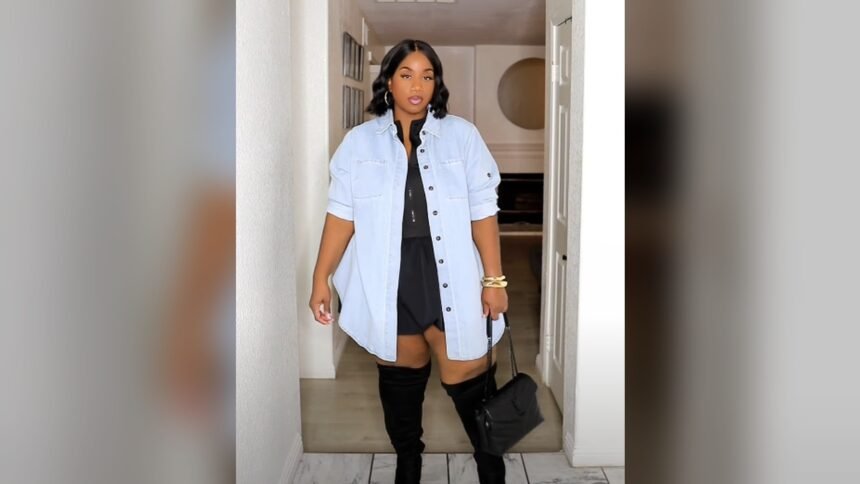
Getting dressed should feel easier when your clothes fit your curves comfortably. Fuller hips and thighs can make it tricky to find trousers that fit your waist without pulling or gaping. How to dress a plus size pear shaped body comes down to choosing cuts, fabrics, and combinations that suit your proportions and personal taste. From structured tops and straight-leg jeans to wrap dresses and wide-leg trousers, small styling decisions can make a real difference. You don’t need to hide your hips or follow strict body-shape rules. Instead, focus on comfortable fits and practical outfit combinations that work for your daily routine, workplace, and special occasions.
- Understanding Your Pear-Shaped Proportions
- Styling Principles That Make Getting Dressed Easier
- Choose Necklines and Sleeves That Complement Your Upper Body
- Define Your Waist Without Sacrificing Comfort
- Find Bottoms That Fit Your Hips and Waist
- Use Color, Prints, and Fabric to Build Balanced Outfits
- My Recommended Outfits for a Plus Size Pear-Shaped Body
- 1. A Printed Blouse with High-Rise Wide-Leg Trousers
- 2. A Square-Neck Top with Straight-Leg Jeans
- 3. A Wrap Dress with a Defined Waist
- 4. An A-Line Midi Skirt with a Structured Top
- 5. A Tailored Blazer with a Simple Top and Trousers
- 6. A Fit-and-Flare Dress for Parties and Special Occasions
- 7. A Knit Top with Bootcut Jeans for Everyday Wear
- 8. A Coordinated Top and Wide-Leg Trouser Set
- How to Make Plus-Size Clothing Fit Your Shape Better
- Shop for Your Hips First, Then Adjust the Waist
- Check Where Tops, Jackets, and Skirts End
- Choose Fabrics That Move With Your Body
- Common Styling Mistakes Worth Rethinking
- Frequently Asked Questions
- What Tops Look Best on a Plus-Size Pear-Shaped Body?
- Which Jeans Are Best for Plus-Size Pear Shapes?
- Do A-Line Dresses Suit Plus-Size Pear-Shaped Women?
- How Can You Dress a Pear-Shaped Body Without Emphasizing Your Waist?
- Dressing Your Pear Shape With Confidence and Comfort
Understanding Your Pear-Shaped Proportions
Pear-shaped bodies typically have hips that measure wider than the shoulders or bust. Fuller thighs and a defined waist are also common features. However, your proportions may differ from those of another woman with the same body shape.
Clothing can fit differently across your waist, hips, and upper body. For example, trousers may fit your thighs comfortably but leave extra space around your waist. Meanwhile, fitted tops might suit your shoulders but feel restrictive around your bust.
Understanding these differences helps you shop more effectively. Rather than focusing on concealing certain areas, look for garments that fit comfortably and create the silhouette you prefer. You can highlight your waist, add structure around your shoulders, or wear relaxed clothing throughout your outfit.
Styling Principles That Make Getting Dressed Easier
Choose Necklines and Sleeves That Complement Your Upper Body
Necklines and sleeves influence how your upper body looks in an outfit. Open necklines can create a longer visual line, while wider necklines can draw attention toward your shoulders.
Consider V-neck, square-neck, and boat-neck tops when shopping. V-necks work well with layered necklaces, while square necklines offer a defined frame around the collarbone. Boat necks create a wider horizontal line, making them worth trying if you prefer more visual width across your upper body.
Sleeve details offer another option. Puff sleeves, subtle shoulder pleats, and structured cap sleeves can add shape without requiring heavy layers. However, oversized sleeves may feel bulky beneath jackets or restrict movement.
Choose details that complement your personal style rather than assuming every pear-shaped woman needs broader-looking shoulders.
Define Your Waist Without Sacrificing Comfort
Many pear-shaped women enjoy highlighting their waist, but tight clothing isn’t necessary to achieve that effect. Wrap tops, shaped blouses, and garments with waist seams can create definition without excessive pressure.
Try tucking a lightweight blouse into high-rise trousers. If a full tuck feels uncomfortable, a French tuck leaves the back untucked while adding shape at the front. Cropped tops can also work when they meet your trousers near the waistband.
Belts provide another styling option. Wear a medium-width belt with a dress or high-rise trousers when you want a clearer waistline. Elasticated waistbands and adjustable ties may offer better comfort throughout the day.
Prefer a relaxed silhouette? Choose an open cardigan or an unbuttoned blazer over a straight-cut top. You can achieve a polished outfit without emphasizing your waist.
Find Bottoms That Fit Your Hips and Waist
Trouser fit matters more than following a specific style rule. Straight-leg jeans create a clean line from the hips downward, while wide-leg trousers provide more room through the thighs. Bootcut jeans gradually widen toward the hem, creating a different proportion from straight-leg styles.
Look for mid-rise or high-rise waistbands that sit comfortably without digging into your stomach. Curvy-fit jeans may help if standard cuts fit your hips but leave a gap at the back of your waist.
Fabric also affects comfort. Denim with moderate stretch can make sitting and walking easier, while structured trousers offer a sharper finish for work. Avoid sizing down simply to achieve a closer fit.
Skinny jeans, pencil skirts, and tapered trousers can also work well. Focus on comfortable movement, suitable fabric, and the silhouette you enjoy wearing.
Use Color, Prints, and Fabric to Build Balanced Outfits
Color placement can change an outfit’s overall appearance. For example, pairing a bright blouse with dark trousers draws attention toward the upper half. Printed tops and textured knitwear offer similar options without requiring bold colors.
You can also wear one color from head to toe for a continuous visual line. Cream, navy, olive, burgundy, and black work well for coordinated outfits, depending on your preferences and wardrobe.
Fabric deserves equal attention. Fluid crepe drapes differently from thick cotton, while lightweight knits usually create a softer outline than stiff materials. Choose structured fabrics when you want a sharper shape and softer fabrics when comfort or movement matters more.
Dark bottoms aren’t essential. Light-wash jeans, colorful skirts, and printed trousers can all look attractive when they fit well and coordinate with the rest of your outfit.
Related Article: How to Dress a Plus Size Apple Shape: Tops, Dresses and Pants
My Recommended Outfits for a Plus Size Pear-Shaped Body
1. A Printed Blouse with High-Rise Wide-Leg Trousers
Pair a printed blouse with high-rise wide-leg trousers for a polished outfit that works for brunch, shopping, or casual office settings. Floral patterns, geometric prints, and subtle stripes can add interest to your upper half.
Choose trousers with enough room through your hips and thighs. Navy, black, chocolate brown, and cream are useful colors because they coordinate with many printed tops.
Tuck the blouse in fully if you want to highlight your waist. Alternatively, select a shorter blouse that ends near the waistband. Add loafers for daytime wear or low heels for a dressier finish. During cooler weather, layer a cropped jacket over the blouse.
Avoid excessively long tops that bunch around the hips unless you prefer that relaxed look.
2. A Square-Neck Top with Straight-Leg Jeans
Straight-leg jeans and a square-neck top create an easy outfit for coffee dates, errands, and casual gatherings. The neckline frames your upper body, while the jeans offer a simple shape without clinging tightly to your thighs.
Choose dark indigo denim for a slightly polished appearance or light-wash jeans for daytime wear. Look for a waistband that stays comfortable when sitting, with enough stretch to support movement.
A fitted ribbed top works well with high-rise jeans. If you prefer more coverage, try a softly shaped top that finishes near the hip bone.
Complete the outfit with white sneakers, ankle boots, or ballet flats. Add a denim jacket or an open cardigan when temperatures drop. Avoid tops that pull across the bust or restrict your arms.
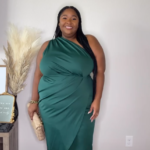
3. A Wrap Dress with a Defined Waist
Wrap dresses offer an adjustable fit that can accommodate different bust and hip proportions. Their diagonal front lines and waist ties create shape without requiring a rigid waistband.
Choose a dress in fluid jersey, lightweight crepe, or a soft woven fabric. Burgundy, forest green, navy, and small-scale floral prints are versatile options for daytime events, dinners, and family celebrations.
Check the wrap closure before buying. Some designs open too easily while walking or sitting, so an inner button or discreet fastening can improve coverage.
Style the dress with low heels or ankle boots, depending on the occasion. Small earrings and a simple handbag complete the look without competing with the neckline.
Prefer less waist definition? Choose a faux-wrap dress with a relaxed fit instead of a tightly tied design.
4. An A-Line Midi Skirt with a Structured Top
An A-line midi skirt gradually widens from the waist, offering room through the hips while allowing comfortable movement. Pair it with a fitted knit top, a tucked-in blouse, or a structured shirt for a balanced outfit.
Try a black skirt with a cream top, a chocolate-brown skirt with a pale blue shirt, or a burgundy skirt with a neutral knit. These combinations work for lunches, casual offices, and daytime events.
Pay attention to where the hem falls. Mid-calf lengths can look different depending on your height and footwear, so try several lengths before deciding.
Ballet flats create a relaxed finish, while ankle boots work well in cooler months. If you prefer more coverage around your waist, leave a lightweight shirt untucked and choose one that doesn’t bunch beneath the skirt.
5. A Tailored Blazer with a Simple Top and Trousers
For work meetings, presentations, or smart-casual events, combine a tailored blazer with a simple top and straight-leg trousers. Structured shoulders can add definition, while a shaped blazer creates a more fitted outline than a boxy jacket.
Choose a blazer that allows comfortable movement across your back and upper arms. If your hips are fuller, check that the hem doesn’t pull when the jacket closes. An open-front style can be a practical alternative.
Navy trousers with a cream top and matching blazer create a coordinated office outfit. Alternatively, pair black trousers with a soft-colored blouse and a gray jacket.
Loafers, block heels, or polished flats complete the combination. Keep accessories simple with a watch, small earrings, or a structured work bag.
6. A Fit-and-Flare Dress for Parties and Special Occasions
Fit-and-flare dresses offer a different option from wrap dresses. Their fitted upper sections transition into fuller skirts, allowing movement around the hips and thighs.
For evening parties, consider a navy dress with subtle texture or a burgundy style with three-quarter sleeves. For daytime celebrations, floral prints and softer shades can feel more appropriate.
Check the bust, armholes, and waist before buying. A dress that fits your hips but pulls across the shoulders may require a different size or cut. Look for a skirt that allows you to sit comfortably and move without constantly adjusting the fabric.
Finish the outfit with dressy flats, low heels, or block-heeled shoes. A small clutch and understated jewelry add polish without making the outfit feel overdone.
7. A Knit Top with Bootcut Jeans for Everyday Wear
Bootcut jeans provide a gentle flare below the knee, creating a different silhouette from straight-leg and wide-leg trousers. Pair them with a comfortable knit top for weekend outings, casual dinners, or travel.
Choose dark-wash denim with moderate stretch and a waistband that doesn’t dig in. A fine-gauge knit in cream, rust, olive, or navy pairs easily with denim.
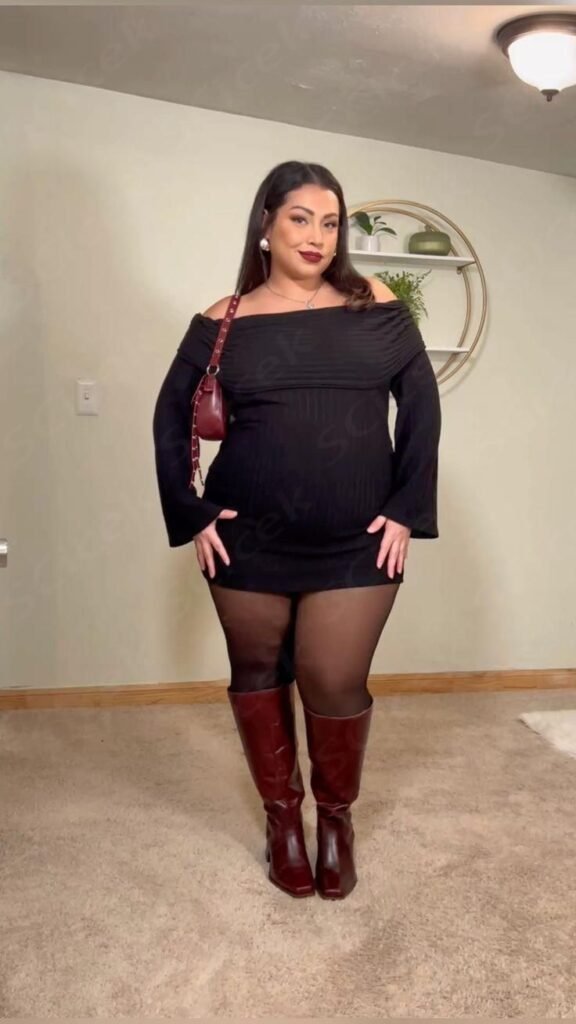
For a defined waist, tuck the front of your top into high-rise jeans. If you prefer extra coverage, wear a hip-length knit that skims your body rather than clinging tightly.
Ankle boots or sneakers suit casual settings, while a lightweight jacket adds warmth. Check the jean length with your usual shoes so the hems don’t drag on the ground.
8. A Coordinated Top and Wide-Leg Trouser Set
Matching separates create a cohesive outfit without requiring much styling. A coordinated top and wide-leg trouser set works for travel, casual celebrations, and relaxed office environments.
Try an olive set with simple gold-tone jewelry or a navy set with a cream handbag. Linen blends suit warmer weather, while heavier knit or crepe sets can work during cooler months.
Look for trousers that drape smoothly over your hips without pulling across the front. The top should allow comfortable movement and sit well around your shoulders.
Wear the pieces together for a streamlined appearance. You can also pair the trousers with a contrasting blouse or wear the top with straight-leg jeans.
Choose fabric according to the occasion. Linen offers breathability but wrinkles easily, while some synthetic blends resist creasing but may feel less comfortable in hot weather.
How to Make Plus-Size Clothing Fit Your Shape Better
Shop for Your Hips First, Then Adjust the Waist
Prioritize comfortable hip and thigh measurements when trying on trousers, skirts, and dresses. Squeezing into a smaller size can cause pulling, restricted movement, and uncomfortable seams.
If trousers fit your hips but leave excess fabric around your waist, consider having the waistband adjusted by a tailor. Curvy-fit denim can also reduce gaps at the back.
Check size charts for individual garments rather than relying on your usual size. Clothing measurements vary between brands, and the best fit may require trying more than one size.
Check Where Tops, Jackets, and Skirts End
Hem placement can change how an outfit looks. Tops that end near the waistband often pair easily with high-rise trousers, while longer tops may work better with straight-cut bottoms.
Try jackets that end at your waist or slightly below your hips. Neither length is automatically better; the right option depends on the garment, your height, and the rest of your outfit.
When shopping, sit down, walk, and raise your arms. These simple checks reveal whether clothing rides up, pulls across your hips, or restricts movement.
Choose Fabrics That Move With Your Body
Fabric affects how clothing fits and feels throughout the day. Stretch denim provides flexibility, while structured cotton blends can hold their shape in trousers and jackets.
Fluid crepe works well for wrap dresses and wide-leg trousers because it drapes without always clinging closely. Softer knits suit casual outfits, especially when you want comfortable movement.
Consider maintenance before buying. Some fabrics wrinkle easily, while others need gentle washing or special care. Choose materials that suit your climate, budget, and daily routine.
Related Article: How to Dress When You Have a Belly: A Practical Clothing Guide
Common Styling Mistakes Worth Rethinking
- Buying oversized tops automatically: Loose clothing can feel comfortable, but excessive fabric may bunch around the hips. Try relaxed cuts that skim your body instead.
- Ignoring waistband fit: Trousers that dig into your waist or restrict your thighs can make everyday activities uncomfortable. Prioritize movement and a secure fit.
- Avoiding light-colored bottoms: Cream trousers and light-wash jeans can work beautifully. Focus on fabric, fit, and the overall combination rather than color rules.
- Rejecting fitted clothing: Skinny jeans, pencil skirts, and fitted dresses remain options when they suit your preferences and allow comfortable movement.
- Following trends without considering practicality: Check whether an outfit suits your weather, daily activities, budget, and personal style before investing in it.
Frequently Asked Questions
What Tops Look Best on a Plus-Size Pear-Shaped Body?
V-neck, square-neck, and boat-neck tops offer different ways to frame your upper body. Printed blouses, structured shoulders, and gently shaped shirts can also work well. Choose a neckline and fit that feel comfortable rather than following one prescribed style.
Which Jeans Are Best for Plus-Size Pear Shapes?
Straight-leg, wide-leg, and bootcut jeans are useful options because they offer different amounts of room and shape through the legs. Curvy-fit designs may help reduce waistband gaps. Choose denim that fits your hips comfortably and allows you to sit and walk without restriction.
Do A-Line Dresses Suit Plus-Size Pear-Shaped Women?
A-line dresses can work well because their skirts gradually widen from the waist. However, wrap dresses, fit-and-flare styles, and straight-cut dresses can also suit pear-shaped proportions. Focus on comfortable hip room, a suitable length, and the silhouette you prefer.
How Can You Dress a Pear-Shaped Body Without Emphasizing Your Waist?
Try straight-cut tops, open blazers, relaxed knitwear, and coordinated outfits. These options create a comfortable silhouette without relying on belts or fitted waistlines. Choose garments that skim your body and allow easy movement.
Dressing Your Pear Shape With Confidence and Comfort
Learning how to dress a plus size pear shaped body becomes easier when you focus on fit, proportion, and everyday comfort. Start with trousers that accommodate your hips, tops that suit your shoulders, and fabrics that move naturally with your body. Experiment with different necklines, dress shapes, and color combinations until you find outfits that feel right for you. Body-shape advice should expand your choices, not limit them. Wear the styles you enjoy, make adjustments where needed, and build a wardrobe that supports your lifestyle.