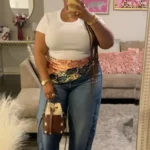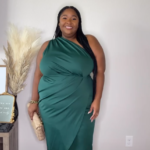


Liking an outfit but feeling unsure about how it fits around your lower stomach can make getting dressed frustrating. You might love a pair of jeans, a fitted dress, or a tucked-in blouse, yet feel uncomfortable when the fabric pulls or gathers in the front. The solution does not have to involve compression garments or buying an entirely new wardrobe. Learning how to hide FUPA without shapewear starts with understanding how clothes fit your body, where waistbands sit, and which fabrics move comfortably. Small changes can make a noticeable difference to your overall silhouette. From everyday jeans to occasion dresses, the right combinations can help you feel comfortable without squeezing your stomach.
- Understand Your Lower-Belly Shape Before Choosing an Outfit
- Clothing Fits That Help Without Squeezing Your Stomach
- Jeans and Trousers That Sit Comfortably Around Your Lower Belly
- High-rise jeans with a comfortable front rise
- Straight-leg jeans for everyday outfits
- Wide-leg trousers with a flat front
- Pull-on trousers with smooth waistbands
- Stretch denim that holds its shape
- Tops That Work With Your Existing Jeans and Trousers
- Shirts that skim without looking oversized
- Wrap tops with adjustable shaping
- Blouses with side draping or angled hems
- Peplum tops with a comfortable flare
- Choosing the right top length
- Dresses That Create Shape Without Tight Compression
- A-line dresses
- Wrap dresses with adjustable waist placement
- Fit-and-flare dresses
- Princess-seam dresses
- Midi dresses with controlled draping
- What if you prefer fitted dresses?
- Skirts and Matching Sets for Comfortable, Balanced Outfits
- Fabric, Seams and Waistbands: Small Details That Change the Fit
- My Outfit Recommendations for You: 7 Practical Looks to Try
- 1. Everyday casual: Straight-leg jeans and a relaxed V-neck top
- 2. Smart casual: Flat-front trousers and a draped blouse
- 3. Office outfit: Open blazer, simple top and tailored trousers
- 4. Weekend look: A-line midi skirt and a comfortable top
- 5. Dinner outfit: Wrap dress with adjustable shaping
- 6. Warm-weather outfit: Breathable shirt dress
- 7. Fitted-clothing option: Structured dress with shaped seams
- Layering and Tucking Without Adding Unnecessary Bulk
- Common Outfit Mistakes That Can Make Clothes Fit Worse
- How to Check Whether an Outfit Works Before You Leave Home
- Conclusion
Understand Your Lower-Belly Shape Before Choosing an Outfit
Before buying clothes to disguise your lower stomach, pay attention to how your current wardrobe fits. Two people can wear the same jeans size and still need completely different cuts. Your lower abdomen, hips, waist and torso length all affect how a garment sits.
Start by noticing where your trousers feel uncomfortable. If the waistband presses into your stomach, you may need a different rise or a more flexible waistband. If the front fabric pulls tightly, try a cut with more room through the abdomen and hips. When a top rides upward, its length or overall fit might be the problem.
Your torso length matters, too. A high-rise waistband may feel comfortable on one person but sit awkwardly on someone with a shorter torso. Similarly, a longer top might skim your stomach nicely or make your proportions look unbalanced, depending on where its hem ends.
Check your outfits while standing and sitting. Fabric that looks smooth in front of a mirror can bunch around your waist when you sit down. Notice whether the discomfort comes from tightness, fabric cling or an awkward hemline.
Your goal is to identify the fit problem before choosing a solution. Once you understand what causes the discomfort, shopping becomes easier and you can make better use of clothes you already own.
Clothing Fits That Help Without Squeezing Your Stomach
The most useful clothing fit usually gives your lower abdomen enough room while following the rest of your shape. Clothes do not need to hang loosely from your shoulders to your hips. They simply need to avoid pulling tightly across areas where you want more coverage.
Look for garments that skim rather than cling. A woven blouse with a little ease, for example, can create a smooth line without feeling oversized. A structured pair of trousers can provide shape through the hips while allowing comfortable movement around the waist.
Pay attention to the difference between relaxed, oversized and boxy clothing. Relaxed garments have room to move while maintaining a deliberate shape. Oversized pieces offer more volume throughout the body. Boxy cuts often have straight sides and little waist definition. Any of these can work, but the proportions matter.
If you wear a loose top with wide-leg trousers, check that the fabric does not create too much volume around your entire body. A slightly shaped shirt or a top with a clean shoulder line may balance the trousers better.
Also inspect the side seams and hemline. A top that pulls toward the front may be too narrow through the abdomen. A dress that rides up might need more length or a different cut.
Never assume that sizing down will create a smoother appearance. Tight clothing can emphasize fabric tension and make sitting uncomfortable. Choose the size that allows the garment to fall naturally, then consider tailoring if you need a more precise fit.
Jeans and Trousers That Sit Comfortably Around Your Lower Belly
Jeans and trousers can be tricky because their waistbands sit directly across your midsection. The best pair is not necessarily the highest-rise or stretchiest option. You want a waistband that stays in place without digging in, along with enough room through the front and hips.
High-rise jeans with a comfortable front rise
High-rise jeans can work well when the waistband sits comfortably at your natural waist. However, the rise must match your torso length and the shape of your lower abdomen. If the waistband cuts into your stomach or creates a fold above it, try another cut instead of forcing the fit.
Pair comfortable high-rise jeans with a softly draped blouse. Leave the blouse untucked if tucking creates unwanted pressure around your waist.
Straight-leg jeans for everyday outfits
Straight-leg jeans create a relatively consistent line from the hips downward. They can balance a fuller midsection without adding excessive volume around the legs.
Try medium-weight denim with enough room through the hips and abdomen. Extremely rigid denim may feel restrictive, while very thin denim can cling or lose its shape.
Wear straight-leg jeans with a relaxed V-neck top or a shirt that ends around the hip area. Check the hemline carefully, especially if your jeans sit high on your waist.
Wide-leg trousers with a flat front
Wide-leg trousers offer another useful option, particularly for work or smart-casual outfits. A flat-front design avoids extra gathers around the waistband, while the wider legs create a balanced silhouette.
Choose a fabric that falls smoothly rather than standing stiffly away from your body. Crepe or a suitable medium-weight woven fabric can work well.
Pair these trousers with a blouse that has some shape through the shoulders. You can leave it untucked or use a small front tuck if the waistband feels comfortable.
Pull-on trousers with smooth waistbands
Pull-on trousers can be practical when buttons and zippers create pressure across your lower abdomen. Look for a wide, flexible waistband that lies flat rather than rolling down.
Avoid assuming that every elastic waistband will be comfortable. Narrow elastic can dig in, and gathered fabric can add bulk. A smooth-front design often creates a cleaner appearance.
Stretch denim that holds its shape
A little stretch can improve comfort when sitting, walking or bending. However, jeans that stretch excessively may become loose throughout the day or cling to your lower stomach.
Look for denim that returns to its original shape after movement. The waistband should remain secure without requiring constant adjustment.
A useful fitting test: Sit down before buying your jeans. If the waistband presses painfully, the zipper area pulls or the fabric forms tight horizontal lines, try another size or cut.
Tops That Work With Your Existing Jeans and Trousers
The length, drape and shape of your top can change how an entire outfit looks. Instead of automatically reaching for oversized shirts, consider where the fabric falls and how it interacts with your waistband.
Shirts that skim without looking oversized
A relaxed button-down shirt is useful because you can control how much of your midsection it covers. Choose a fabric that falls naturally rather than standing stiffly away from your body.
Wear it untucked over straight-leg jeans or tailored trousers. Leave a few buttons open at the neckline if you prefer a more relaxed shape.
Check the front hem when you sit down. If it pulls across your stomach or opens around the buttons, you may need more room through the front.
Wrap tops with adjustable shaping
Wrap tops create diagonal lines across the torso. Their adjustable construction can also help you control how closely the fabric follows your body.
Look for a design that ties comfortably without pulling the fabric tightly across your lower abdomen. A wrap top works especially well with straight-leg jeans or flat-front trousers.
If the tie gathers too much material around your waist, position it according to the garment’s design or try a less bulky style.
Blouses with side draping or angled hems
An angled hem can break up a straight horizontal line across the lower stomach. Side draping may also help the fabric fall naturally instead of clinging to one area.
These details work best when the rest of the blouse fits properly. Excess fabric around the shoulders or sleeves can make the entire outfit look oversized.
Try a draped blouse with simple trousers so the outfit remains balanced. Avoid adding several bulky layers around the waist.
Peplum tops with a comfortable flare
Peplum tops flare outward from a defined seam or waist area. They can provide coverage without requiring a long, loose shirt.
The position of the flare matters. If it begins at a point that feels uncomfortable or creates extra volume exactly where your trousers sit, another design may work better.
Choose a peplum top with enough room through the lower section. Pair it with straight-leg or gently tapered trousers to balance the added fabric.
Choosing the right top length
A top that ends just above a waistband can sometimes draw attention to the area you would rather cover. A longer hem may provide more coverage, but excessive length can shorten the appearance of your legs.
Try several lengths with your usual trousers. Look for a hem that falls smoothly and does not catch on your hips when you move.
If you prefer shorter tops, consider wearing them with a skirt or trousers whose waistband sits comfortably. You do not need to avoid cropped styles entirely; the important thing is whether the complete outfit feels right to you.
Dresses That Create Shape Without Tight Compression
Dresses can simplify outfit planning because the top and bottom already work together. However, a dress that looks beautiful on a hanger may pull across your lower abdomen once you put it on. Focus on the garment’s shape, seams and fabric rather than relying on a particular dress style to work for everyone.
A-line dresses
A-line dresses gradually widen from the upper body toward the hem. This shape can provide room through the lower abdomen without adding a lot of fabric around the waist.
Look for a design that falls away naturally from the torso. If the dress is too fitted through the hips before flaring outward, it may still pull across your stomach.
A simple A-line midi dress works for casual outings, family gatherings and everyday plans. Choose a fabric that holds its shape without feeling stiff.
Wrap dresses with adjustable waist placement
Wrap dresses allow some adjustment around the waist and upper body. This makes them useful when you prefer a defined shape but do not want tight compression.
Choose a wrap dress with enough room through the skirt. The tie should secure the dress without creating uncomfortable pressure or excessive gathering.
Wear the dress with the neckline and waist placement that feel comfortable. If the wrap opens too much when you move, try a different cut rather than relying on constant adjustments.
Fit-and-flare dresses
Fit-and-flare dresses follow the upper body before opening into a fuller skirt. They can create a balanced silhouette while allowing movement around the lower abdomen.
The important detail is how closely the bodice fits. If it pulls across your stomach before the skirt begins, the flare may not provide the coverage you want.
Look for a design with a comfortable transition between the bodice and skirt. A little structure can help the dress maintain its shape without squeezing your midsection.
Princess-seam dresses
Princess seams run vertically through the garment and can create shaping without relying on a tight waistband. They may also help a dress follow your torso more naturally.
Check that the seams lie flat and do not pull toward the lower abdomen. A well-constructed dress should allow you to sit comfortably without visible tension.
This option is worth considering for work dresses, formal occasions and structured everyday styles.
Midi dresses with controlled draping
A midi dress in a softly draped fabric can offer coverage while keeping the outfit relaxed. Look for a design that follows your shape without sticking to every curve.
Be cautious with very thin jersey if it clings more than you prefer. A slightly heavier fabric or a lined design may fall more smoothly.
What if you prefer fitted dresses?
You do not have to abandon fitted dresses to achieve a comfortable look. Focus on the fabric’s recovery, the garment’s seams and the amount of stretch across your abdomen.
A structured knit dress may feel better than a very thin, tight fabric. Choose a size that allows natural movement rather than one that depends on compression to maintain its shape.
Skirts and Matching Sets for Comfortable, Balanced Outfits
Skirts and coordinated sets give you more ways to dress comfortably without depending on shapewear. The key is finding a waistband that sits well and pairing it with a top that works with the skirt’s shape.
A-line skirts are a useful starting point. They fit around the waist and gradually widen toward the hem. Try one with a softly fitted top that does not pull across your stomach. If you prefer more coverage, wear the top untucked and check that its hem falls smoothly over the waistband.
Bias-cut skirts offer a different look. Their diagonal construction allows the fabric to follow your body naturally. However, lightweight satin or thin fabric can cling to the lower abdomen. Look for a skirt with enough weight and lining to create the drape you prefer.
Midi skirts also work well for everyday and office outfits. A smooth waistband can prevent unnecessary bulk, while a simple blouse keeps the overall look balanced. If you wear a fuller skirt, avoid pairing it with a top that adds excessive volume around your waist.
Matching sets make getting dressed easier because their colours, fabrics or patterns already coordinate. Consider a relaxed top with straight-leg trousers or a softly shaped shirt with a matching skirt. You can also wear the pieces separately to create more outfits.
Watch out for gathered waistbands if they bunch around your lower abdomen. A flat-front skirt or a set with a smooth waistband may feel more comfortable.
The best combination is one that works with your proportions rather than hiding your entire waist. You can still wear prints, fitted tops and interesting silhouettes when the pieces fit comfortably together.
Fabric, Seams and Waistbands: Small Details That Change the Fit
Two garments can have the same size and silhouette but look very different because of their fabric and construction. Paying attention to these details can save you from buying clothes that look promising but feel uncomfortable.
Cotton blends are useful for everyday shirts and dresses. Their performance depends on the weave and the amount of stretch. A lightweight cotton shirt may feel breathable but crease easily, while a firmer fabric may hold its shape better.
Ponte fabric is a double-knit material often used for trousers and structured dresses. It can provide more body than thin jersey, making it worth trying if you want a garment that follows your shape without clinging excessively.
Crepe is another option for blouses, trousers and dresses. Depending on its weight and composition, it can drape smoothly without looking overly casual.
Lightweight jersey is comfortable, but very thin versions may reveal every fold or cling to the skin. Check the fabric under ordinary lighting and move around before deciding whether you like its appearance.
Pay attention to seams and pockets, too. Bulky front pockets, thick zipper areas and stiff seams can create extra lines around your abdomen. A clean front may sit more smoothly beneath a top.
Stretch recovery matters as well. Fabric should return reasonably close to its original shape after sitting or bending. Material that stays stretched can begin to sag or bunch around the waistband.
Finally, never judge a garment by its label alone. A larger size in a better cut may look and feel much better than a smaller size that pulls across your stomach.
My Outfit Recommendations for You: 7 Practical Looks to Try
If you’re unsure where to start, I’d suggest trying these seven outfits with pieces you may already own. Each combination has a different purpose, so you can choose the one that suits your plans and the clothes you enjoy wearing.
1. Everyday casual: Straight-leg jeans and a relaxed V-neck top
I’d start with straight-leg jeans that fit comfortably around your waist and hips. Add a V-neck top that skims your stomach instead of clinging tightly to it.
This combination works because the jeans create a clean line through the legs, while the top keeps the outfit relaxed. Choose a hem that covers the area you want covered without hanging too far below your hips.
Avoid buying jeans that are too tight simply because the denim stretches. You should be able to sit comfortably without adjusting the waistband every few minutes.
2. Smart casual: Flat-front trousers and a draped blouse
For lunch, shopping or a casual gathering, I’d pair flat-front trousers with a softly draped blouse. The trousers provide structure, while the blouse gives you comfortable coverage.
Choose a blouse that falls naturally from the shoulders. You can wear it untucked if tucking creates pressure around your waist.
The mistake to avoid is combining very wide trousers with an extremely oversized blouse. Both pieces can add unnecessary volume, making the outfit feel less balanced.
3. Office outfit: Open blazer, simple top and tailored trousers
If you’re dressing for work, try a simple top with comfortable tailored trousers and an unbuttoned blazer. The blazer creates vertical lines without requiring a tight garment around your middle.
I’d choose a blazer that fits properly at the shoulders and falls smoothly over the hips. Wear a top underneath that does not bunch around the waistband.
Avoid a blazer that is too small across the front. If it pulls when you move, leaving it open will not solve the underlying fit problem.
4. Weekend look: A-line midi skirt and a comfortable top
For weekends, I’d consider an A-line midi skirt with a top that follows your shape without squeezing your stomach. This combination feels different from jeans while remaining easy to style.
Look for a skirt with a smooth waistband and enough room through the hips. A top with a little structure can balance the skirt’s fuller shape.
Avoid thick, gathered waistbands if they make your midsection feel bulky. A simpler construction may give you the look you want with less fuss.
5. Dinner outfit: Wrap dress with adjustable shaping
For dinner or an evening gathering, I’d try a wrap dress that lets you adjust the waist comfortably. It creates shape without requiring a compression garment.
Choose a fabric that drapes smoothly and a skirt that gives you enough room to sit. Make sure the wrap stays secure when you walk or bend.
Avoid pulling the tie too tightly to create a smaller-looking waist. A comfortable wrap with natural draping usually looks better than one that strains across the abdomen.
6. Warm-weather outfit: Breathable shirt dress
When the weather is warm, I’d suggest a breathable shirt dress with enough room through the lower abdomen. You can wear it loose or define the waist gently if the design includes a comfortable belt.
A shirt dress is practical because you can adjust its buttons and choose how much shape you want. Look for a fabric that stays comfortable throughout the day.
Avoid cinching the belt tightly over your stomach. If you prefer a more relaxed shape, leave the waist undefined and let the dress fall naturally.
7. Fitted-clothing option: Structured dress with shaped seams
If you enjoy a closer silhouette, I’d look for a structured dress with well-placed seams and enough room across the lower abdomen. You can still wear fitted clothing without choosing a dress that compresses your stomach.
Check the dress from the front and side. The seams should lie flat, and the fabric should not pull tightly when you sit.
Avoid assuming that a bodycon style is your only option for a fitted look. A structured knit or a dress with thoughtful shaping can follow your figure while allowing comfortable movement.
My advice: Start with the combination that matches your daily routine. You don’t need to replace your wardrobe or buy all seven outfits. A well-fitting pair of trousers and two suitable tops can already give you several useful combinations.
Layering and Tucking Without Adding Unnecessary Bulk
Layering can help you adjust an outfit, but more fabric does not automatically mean better coverage. The goal is to create a balanced shape without making your waist feel crowded.
An open blazer works well over a simple top because its front edges create vertical lines. Choose a length that complements your trousers or skirt. A blazer that ends at a comfortable point around your hips may work better than one that bunches against the waistband.
Lightweight cardigans and overshirts offer similar flexibility. Wear them open when you want another layer without adding pressure around your stomach. Check that the fabric does not catch on your hips or pull backward when you walk.
Tucking requires a little experimentation. A full tuck can work with high-rise trousers when the top is thin enough to lie smoothly. However, thick shirts can create a bulky band around your waist.
A partial tuck may offer a more relaxed alternative. Tuck a small section at the front while allowing the remaining fabric to fall naturally. If the material gathers or pulls, leave the top untucked instead.
You can also wear a shorter top with a longer open layer. This creates a different proportion without requiring you to hide your entire midsection beneath a loose shirt.
Be careful when combining several thick layers. A chunky cardigan over a heavy blouse can create unnecessary bulk around your waist. One well-chosen layer often works better than three overlapping garments.
Common Outfit Mistakes That Can Make Clothes Fit Worse
Sometimes the problem is not the clothing style itself. A small fit issue can make an otherwise attractive outfit uncomfortable or less flattering.
- Buying smaller sizes: Tight garments can pull across the abdomen and create uncomfortable folds. Choose the size that allows you to move naturally.
- Choosing oversized tops without considering proportions: Extra fabric can make an outfit look boxy. Check the shoulders, sleeves and hemline before deciding whether a loose top works.
- Ignoring waistband pressure: A waistband that digs in can create folds above or below it. Try a different rise, cut or waistband construction.
- Overlooking fabric tension: Horizontal creases across your stomach may indicate that the garment needs more room. Do not assume the problem can be fixed through styling alone.
- Depending entirely on dark colours: Dark clothing is not the only way to create a balanced outfit. Fabric drape, seams, fit and proportions can matter just as much.
- Judging a dress only by its hanger appearance: A garment can look structured on display but pull across your abdomen when worn. Always check how it fits your body.
- Choosing coverage at the expense of comfort: If you spend the entire day pulling down your top or adjusting your trousers, the outfit may not be right for you.
Instead of following strict rules about what you should never wear, pay attention to how individual garments behave. The same style can work beautifully in one fabric and feel uncomfortable in another.
How to Check Whether an Outfit Works Before You Leave Home
A quick fitting check can help you avoid uncomfortable outfits. You do not need special equipment or shapewear. Simply spend a few minutes moving around in the clothes you plan to wear.
- Sit down: Check whether the waistband digs in or the top pulls across your stomach.
- Walk around: Notice whether the dress rides up, the shirt shifts or the trousers slide down.
- Check the side view: Look for fabric pulling, uncomfortable folds or a hemline that does not sit as expected.
- Raise your arms and bend: Make sure the top stays in place and the waistband remains comfortable.
- Check the back: Ensure the trousers or skirt fit smoothly through the hips and do not pull awkwardly.
- Move naturally: Wear the outfit for several minutes before deciding whether it feels right.
If something bothers you, change one element at a time. Try a different top length, adjust the waistband or replace a clingy fabric with a more structured alternative.
The best outfit is not simply the one that looks good while standing still. It should also feel comfortable throughout your normal day.
Conclusion
Learning how to hide FUPA without shapewear comes down to choosing clothes that fit comfortably and work with your proportions. Straight-leg jeans, well-cut trousers, draped tops and thoughtfully structured dresses can all provide useful options. Pay attention to fabric, waistbands and garment length rather than relying on one universal styling rule. Start with pieces you already own, test different combinations and make adjustments where needed. You can create outfits that feel comfortable, look balanced and suit your personal style without wearing compression garments.